

Published by: Guillaume Martin — Editor in Chief
Updated on 23 March 2026
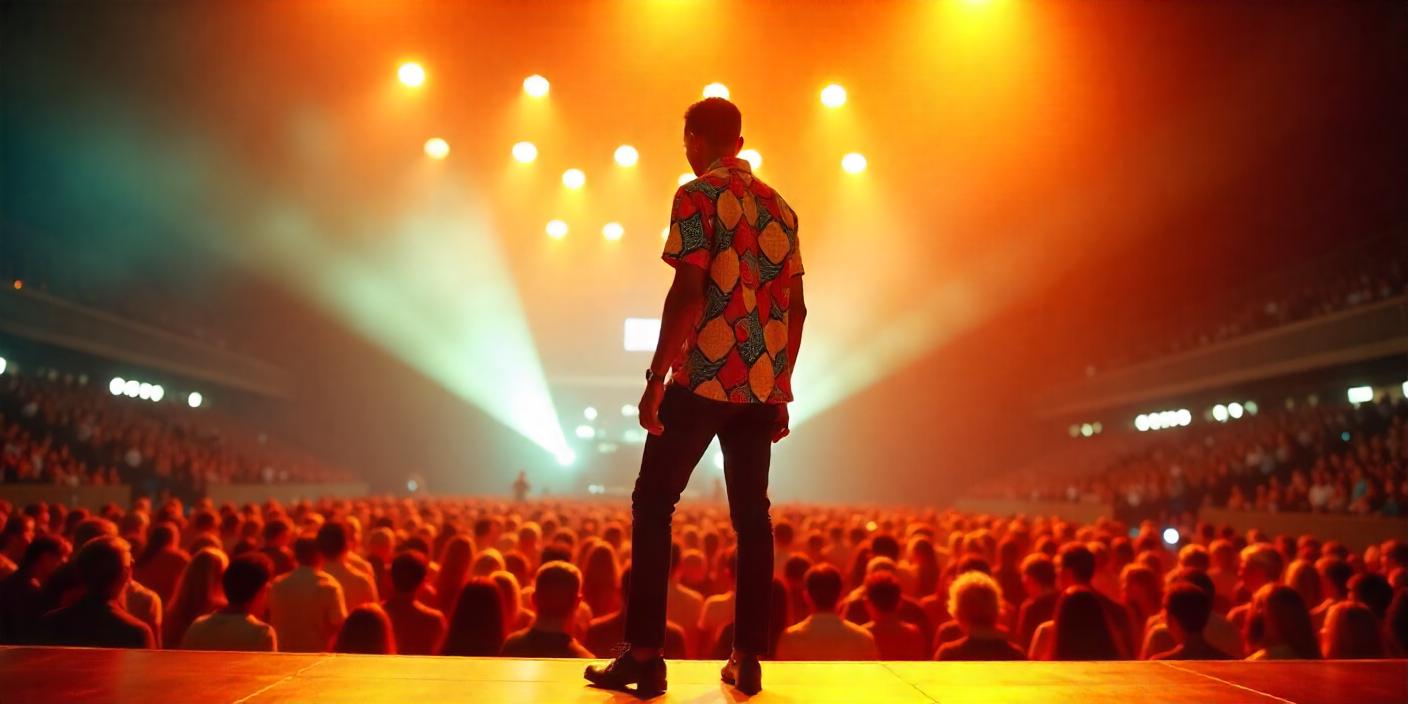
What is a musical creator looking for to overcome proven methods? Stromae, from Brussels anonymity to the top of the international scene, has upset the codes far beyond the rankings. This portrait sets out the key steps and concrete strategies that have enabled Paul Van Haver to transform each constraint into an asset, with an accessible look for all those who want to progress in their creative projects, amateurs as artists in the process.
| Key step | What makes the difference |
|---|---|
| Childhood & origins | Cultural mix, Rwandan roots, gender diversity |
| Self-teaching | Constant testing, DIY, organizational sense |
| Emergence in rap then electro | Refusal of labels, permanent hybridization |
| Public success | Words without filter, collective energy, use of constraints as an engine |
| Artistic development | Risks assumed, maturity, reinvention at each album |
| Withdrawals and returns | Rhythm management, introspection, health/creation balance |
Contents
First landmarks: a journey between heritage and invention
Born in Brussels in 1985, Stromae grew up in a Belgian-Rwanda family where heterogeneity was not theoretical but lived daily. This dual culture infuses in its projects: African songs, European urban music, often heavy but never cynical family stories. From 11 years old, he invested in a musical training in Jette, where he confronted the solfege with rap and electro codes. The variety of his discoveries is never decorative: every novelty becomes a pretext to recompose his style.
- Example field: His first pieces are sometimes clumsy, but they already attest to this mixture between personal context and universal ambitions. Stromae applies a key principle to every creator: test, iterate, accept the imperfection phase.
Making each constraint an engine of creativity
The solo debut, after the failure of the Suspicion group, is marked by a clear method: to test everything, to self-produce, to train on cheap software and tools. He multiplies small jobs to finance his machines, works at home and integrates every technical limitation into his compositions. His creation then rests on three well-documented axes (see, for example, our method of musical organization) :
- Rigorous organization of working sessions
- Systematic use of feedback (users, peers, local radios)
- Methodical DIY: ability to do everything with little
Lessons from the explosion « So we dance »
In 2009, Stromae composes and broadcasts « So we dance » via internet and then radio. The structure of the song is simple (sleek beat, direct text), but its power comes from a key idea: turning a common sense into a collective hymn. Stromae uses networks and lives to test its performance and, far from installing in the comfort of a tube, it serves as a launch ramp to expand its pallet.
- The artist illustrates here the interest of oser « capitalizing on its accidents » to boost a creative project.
Cheese & Racine Carrée: maturity and discipline
The first album, Cheese, poses the unique grammar of Belgian : alternating dancing rhythms and introspective texts. On each title, attention to technical detail comes close to an acute sense of narrative rhythm. The confirmation comes with Root : fatherhood, realistic loves, mental health, each theme is addressed frontally but without pathos, because the project relies on the authenticity of the subject.
- Testimony of an amateur beatmaker: « It's Stromae's ability to talk about intimate subjects on fast tempos that helped me take on my own choices on stage. »
Multitude: openness and self-management
His return with Multitude shows a Stromae master of his rhythm: he sets constraints flat, addresses psychological subjects rarely dealt with on this scale, and multiplies influences (Asian chords, African percussions, Balkan harmonies). This album demonstrates a valuable ability for any creator: reinvent your ecosystem without breaking everything.
Decoding your texts: useful for your artistic project
- Each song offers two levels of reading: a precise situation, a reflection that opens wide to the listener.
- Irony, melancholy, humor serve as much as the structure of the choruses.
- This approach demonstrates the effectiveness of the two-dimensionality of the subject in creative writing: aim for resonance, not just the style effect.
The importance of collaborations for progress
Working with Kery James, Orelsan or Coldplay has nothing to do with marketing. Each experience of collaboration, in its journey, translates into an openness, a musical dialogue that advances both sides. To be remembered for your team projects: co-build rather than add to isolated talents.
An impact that goes beyond mere commercial success
Stromae does not influence that the playlist of radios: it shakes the visual codes, theatricalizes its concerts, radicalizes the management of the intimate/public, and inspires very different creative profiles (musicians, videographers, scenographers). The multiple distinctions (Victoires de la Musique, NRJ Music Awards, international appointments) are in essence only the reflection of a demanding work that has been able to unite without ever giving in to formatting.
- A concrete inspiration: dare to create multisupport musical objects to broaden the audience but also structure its know-how.
Choosing withdrawal: controlled break, structuring return
Stromae also showed that knowing how to interrupt his career, agreeing to slow down, and then returning differently, is part of a creative career. Its management of withdrawal – up to its communication and registration of Multitude – illustrates the importance of thehealth/production balance. A useful choice for anyone threatened by overwork or loss of motivation in a project.
To be remembered for your own creative approach
- Focus on the diversity of references, work discipline, and acceptance of faults as a transformation lever.
- Experience, document each step, work in a short loop and open your project to structuring collaborations.
- Don't rely solely on the peaks of visibility, but structure your « creative path » taking into account the need for retreat.
In watermark, Stromae offers a model that any creator can adapt: step by step, measure his influences, unite around a unique style, without losing technical ambition or sincerity. This journey nourishes reflection on the methods to be developed to sustain and enrich your own achievements.
By collaborating with musical producers with evolving roles and techniquesStromae has been able to reinvent his style while pushing the limits of sound creation.
By working closely with a music producer: understanding the profession, its role and current issuesStromae has been able to sublimate her creative ideas into true modern masterpieces.
To better understand the processes behind Stromae's musical innovation, explore this how to create music: a practical guide accessible to all and discover concrete tools to free your creativity.
How do you integrate plurality of influences or rhythm management into your own projects? Share your feedback and experiences in comment: each testimony prolongs the reflection and helps to anchor the process in concrete.
If you have found the approach of Stromae instructive, talk about it around you and share the article on your networks to spread other creative methods useful to the community.
Want more case studies on musical or multidisciplinary creative methods? Indicate your expectations at the bottom of the page.
References used and recommended : Le Monde, Télérama, France Musique.
By Guillaume Martin, creator and trainer of musical and artistic methodologies, founder of guyomcorp.com. Article updated on 15 June 2024.
Updated on 23 March 2026