
Published by: Guillaume Martin — Editor in Chief
Updated on 2 August 2025
The musical streaming has profoundly transformed the music industry, especially for the independent artists. With the growth of platforms like Spotify and Apple Music, revenues generated by streaming have increased significantly, now accounting for 65% of the world's recorded music revenues. However, this financial manna does not benefit all artists equally. While some manage to pull their finger off the game, the majority of independents face major challenges to ensure their financial viability. Indeed, only 52,600 of the 11 million creators on Spotify generate over $10,000 in royalties per year. This disparity raises crucial questions about the income distribution and equity of the current model, encouraging the search for solutions for a fairer and more sustainable distribution.
Contents
Evolution of the income of independent artists with streaming
Increasing subscriptions and listening

The musical landscape has been transformed by the rise of streaming platforms. One of the most significant changes concerns the significant increase in paid subscriptions. For example, in 2020, subscription revenues rose 18.5%. This trend continues to grow, and by 2023 more than 66,000 artists were able to generate more than $10,000 through these platforms.
The economic model of streaming is based on pay by listening. In 2022, every 1000-strip of listening earned an average of $3 in copyright. However, this amount decreased slightly in 2023, to $2.95 per 1,000 taps. For independent artists, this means that it is necessary to reach a considerable volume of listening to generate significant revenues.
Despite this positive dynamic, income distribution remains a major challenge. On Spotify, for example, only 52,600 of the 11 million creators present managed to generate more than $10,000 in royalties in 2021. This figure highlights the challenges emerging artists face in getting a place in this ecosystem.
Impact on live concerts
Streaming has also had a significant effect on Live concerts. With the rise in popularity of digital platforms, music consumption has partly shifted to virtual. Live concerts, however, remain a crucial source of revenue for many artists.
The VOCID-19 pandemic accentuated this trend by forcing artists to find alternatives to traditional concerts. Online performance has become a back-up solution, but it does not entirely replace the experience and income of live performances. Artists must therefore juggle between these two modes of broadcasting to maximize their gains.
For some, streaming has made it possible to reach a wider audience, which can result in an increase in demand for live concerts once sanitary conditions permit. In addition, initiatives to reform the streaming revenue distribution model could help create a more equitable environment for independent artists, enabling them to better live their art.
Current compensation models and challenges
The music sector has undergone a major transformation with the advent of streaming. However, this digital revolution has brought challenges, particularly in terms of the distribution of revenues among the various players in the music industry.
Income-sharing between actors
In the current context, the distribution of revenue from streaming is a crucial issue. Platforms like Spotify, Apple Music and others generate billions of dollars, but the way this money is distributed is a source of much discussion.
- Spotify : About 2/3 of every dollar generated goes to the owners of musical rights.
- Independent artists : Only 52,600 of the 11 million on Spotify won more than $10,000 in 2021.
This situation highlights a significant imbalance between established artists, who benefit from a larger share of income, and emerging or independent artists, who struggle to pull their finger off the game.
Average income by listening
Another aspect to consider is the amount each listener generates for artists. According to recent data:
- By 2022, 1,000 wiretappings generated about $3 in fees.
- In 2023, this figure fell to $2.95 per 1,000 taps.
This decline, although slight, has a significant impact on the income of artists, especially those who rely primarily on streams for their livelihood.
Inequalities in earnings
The current compensation model clearly favours artists with a strong presence and an established audience. This income inequality is a major problem, as it limits opportunities for new talent to develop.
In order for an independent artist to earn a minimum income of $15,000 a year, he must record about 5 million listening. This is a considerable challenge for many.
Initiatives have been put in place to address these imbalances. For example, some platforms explore fairer remuneration models, where revenues would be distributed more fairly among all artists, regardless of their popularity.
It is essential to continue to look for solutions to support independent and emerging artists to ensure the diversity and richness of our musical landscape.
Strategies to increase the income of independent artists
The musical landscape has evolved considerably with the emergence of streaming platforms and new technologies. However, for independent artists, monetizing their art remains a challenge. Here are effective strategies to optimize their revenues.
Creating high quality content
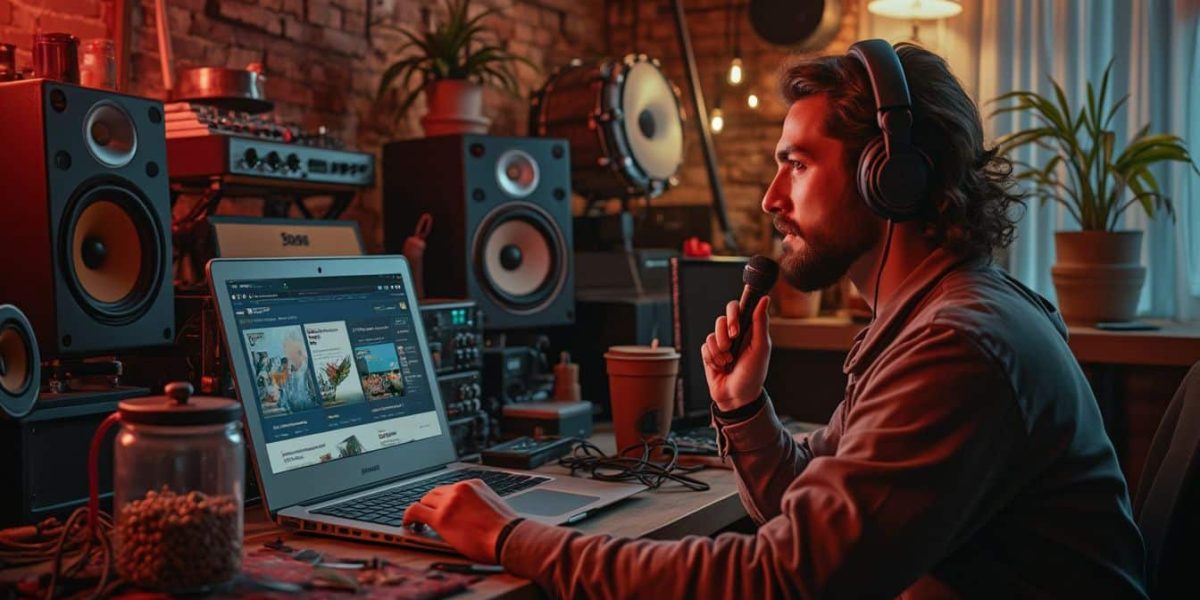
As an independent artist, produce content of high quality is essential. This includes not only the music itself, but also everything that accompanies it: videos, visuals, and presence on social networks. Well-realized content attracts the attention of listeners and curators of playlists more easily.
- Investing in quality equipment : Good production equipment can make a difference in the quality of your sound.
- Working with professionals Working with sound engineers, graphic designers, and video directors can greatly improve the final rendering.
- Listen to feedback : Take into account the feedback of your fans to adjust and improve your creations.
The importance of popular playlists
playlists on platforms like Spotify or Apple Music play a major role in discovering new artists. Being included in popular playlists can significantly increase your visibility and your income. Here are some tips to achieve this:
- Submit your music : Use platform submission tools to offer your songs to playlist curators.
- Create your own playlists : In addition to targeting popular playlists, create your own to loyalty your audience and promote your new releases.
- Working with other artists : Collaborations can allow you to reach fans of other artists and increase your chances of being included in various playlists.
- Engage with curators : Make contact with playlist curators. Participate in events, social networks, and other networking opportunities.
By implementing these strategies, independent artists can maximize their revenue potential and become part of the current music industry.
Interaction with fans and building a community
Communication with fans
Communicating with its fans has become a key element for artists. With social networks and streaming platforms, artists can now interact directly with their audience. This creates a stronger bond and a relationship of trust. Answering comments, sharing moments in their daily lives or organizing live sessions are all ways to stay close to their community. Platforms like Instagram, TikTok or Twitch are particularly suitable for this kind of interaction. They offer tools that facilitate engagement, such as stories, live streams, or surveys. Using these features regularly and authentically can make the difference in building a solid and committed fan base.
Exclusive content
Offering exclusive content is a great way to reward and retain fans. This may include unreleased songs, behind-the-scenes videos, exclusive interviews, or early access to concerts or derivatives. This type of content gives fans the feeling of belonging to a privileged circle, which reinforces their commitment. Here are some ideas for exclusive content:
- Demos of new songs
- Videos of rehearsals or studio recordings
- Interviews with other artists or team members
- previews of clips or albums
- VIP access for special events
Platforms like Patreon or Bandcamp offer features specifically designed to manage this type of exclusive content and allow artists to monetize these interactions effectively.
The creation of a community
The creation of a community is not limited to direct interaction with fans. It's also about creating a space where fans can connect, share experiences and discuss their common passion for music. Discussion forums, Facebook groups or Discord servers are perfect for this. Encouraging fans to meet and exchange can strengthen their commitment to the artist. This can involve organizing meetings, private concerts, or crowdfunding campaigns where fans can contribute to artistic projects.
Finally, it is important to cultivate a strong and coherent community identity and culture. This can be done through visual elements, slogans, or shared values that resonate with fans. A well-built community can become a real engine of success for an artist, offering constant support and amplifying the scope of his works.
In summary, communication with fans, exclusive content and the creation of a community are essential elements for artists wishing to develop and maintain a loyal and committed fan base. By using the tools available strategically and authentically, artists can create lasting and meaningful links with their audience.
Updated on 2 August 2025