
Published by: Élodie Maurel-Lescure — Editor specializing in music training
Updated on 23 March 2026
Getting into a musical springboard can profoundly change your artistic background. It is a stimulating framework where every project, whether you start or already master, is offered a true listening and solid accompaniment. In the course of my role as an accompanying artistic learning, it was given to meet artists who, thanks to these open competitions, gained confidence, expanded their contacts and energized their journey – all supported by the solidarity and generosity of the advice exchanged.
This guide is intended for all those who wish to cross this course serenely, relying on their singularity and some concrete resources for each phase, to transform each application into a sincere opportunity to progress, both personally and musically.
Contents
What is a musical springboard? (The quick answer to project now)
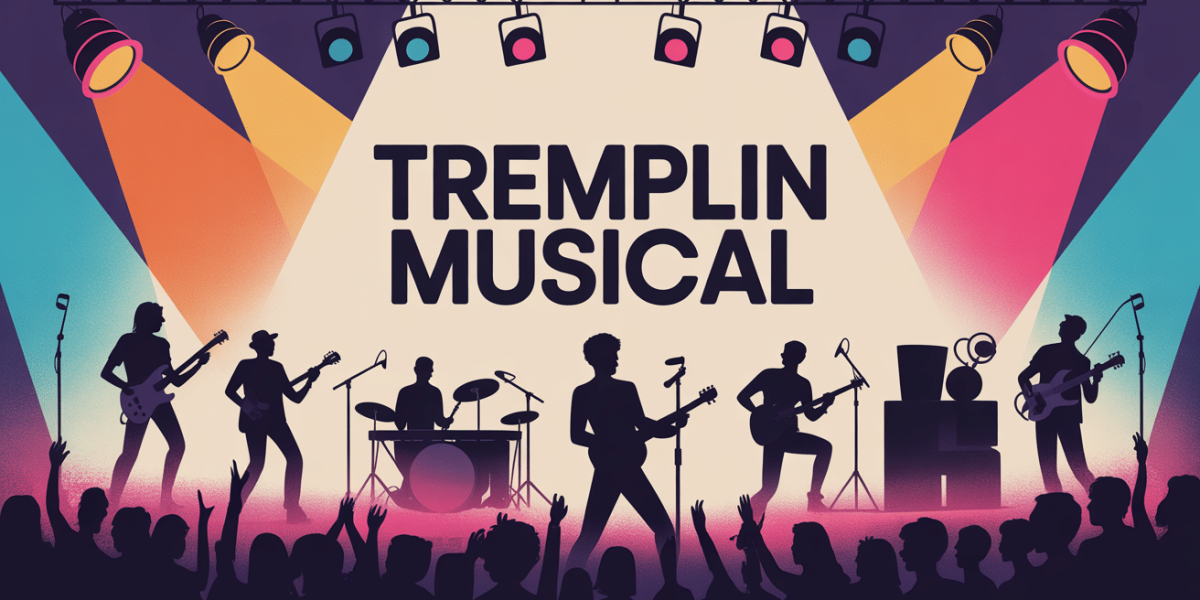
A musical springboard consists primarily of an accessible device designed to identify, support and enhance new musical talent. In practice, we talk about a contest or a call for applications allowing groups or artists – often at the very beginning – to stage, to be appreciated by professionals, and to leave with precise feedback (or even a famous boost for the future). Sometimes this appointment is online, with a selection via videos or platforms, to leave the door open to all.
A key feature is the desire to include all profiles: self-taught, formed groups, solo singers, seniors or younger. The era of ultra-electist selection seems to be behind us: from now on, every ambitious musician can try his luck, regardless of his course. A trainer mentioned how some candidates, filled with doubts, emerged from the transformed system, carried by the public energy and, sometimes unexpectedly, rich in new contacts useful for the future.
A decisive facilitator for artistic development
Participating in a musical springboard is often more than just a potential victory: meeting an audience, competing with a specialized jury, receiving an authentic opinion on their project – so many opportunities to take a boost. Moreover, many artists who have emerged from a springboard now live from music (it is not uncommon that it is necessary to repeat it several times, because the most precious is the progression).
To give an idea, the Buzz Booster has already accompanied more 2,000 candidates Since its beginnings, some now fill large rooms.
In general, these devices welcome musicians between 16 and 35 years, with some "open" categories to gather several generations. Local anchoring remains fundamental: there are springboards in all French regions, and the diversity of musical styles is very real.
Why the word "spend"?
Simply because he embodies the spirit: one uses a well run event (sometimes supported by sponsors or very relayed by the press) as a stage launcher. For many artists, the springboard is accompanied by a first radio tour or a first tour shortly after the adventure.
Some have even been surprised to imagine this famous "first jump" surrounded by an attentive team: what makes you want to cross this course, right?
How do musical springboards work? (The concrete unfolding step by step)
The idea of participating in a springboard can impress from the outset, especially the very first time. Let's take a closer look at how this course is structured, from registration to the final. Each step has been designed to support and accelerate artistic evolution.
The typical process – from application to stage climb
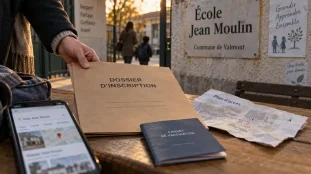
It all starts with the call for applications, open for a specified period (e.g. from April 18 to May 25, 2025 for the music-al springboard). At this point, you will be asked to send some key elements:
- ✅ A personal biography and a presentation sheet, to situate the project universe
- ✅ Links to your best songs or videos (whether it's recordings, live clips or even homemade clips)
- ✅ A fact sheet presenting the material and organization on stage
- ✅ Some useful information: age, region, musical current, contact details
Note: it is not uncommon for some devices, such as Buzz Booster, to receive more than 100 files for final selection from 8 to 15 Participants. After the analysis of the applications, a jury made up of professionals (producers, programmers, journalists, confirmed musicians) is in charge of separating the selected projects.
Then follows one or more phases of showcases (physical concerts or distance videos), where each finalist performs in front of an audience (virtual or not). Some organisers make the services available online to enable the public to vote, often between the 5 and 19 June. The results are shared at the end of the month, on the occasion of an event sometimes covered by the musical press partner.
Gradual and reassuring accompaniment
Hard to miss this point: recent springboards are distinguished by the solid accompaniment offered at each stage. From the preselection, most of the devices offer a stage coaching session, workshops around stress or communication, and even points on copyright.
Some testimonies refer to springboards offering even personalized coaching to each finalist, an approach that can radically transform an initial "school" performance into a true artistic revelation.
Last point to note, every effort is made to prevent artists from feeling themselves. On the contrary, most come out of this experience with the impression of having experienced a nice constructive adventure, sometimes even friendly.
Good to know
I recommend that you take full advantage of the coaching sessions and workshops offered during the spring break: they can transform your performance and your stage confidence.
Why participate? (The concrete... and sometimes unexpected impacts)
A question comes back regularly: "In the end, what do I really win?" Dare a springboard is not just an ornamental reward; It is often a question of taking a real lead, whether it is network, image or experience.
Visibility, endowments, and path accelerators
A huge majority of springboards offer their winners advantageous endowments: if you take the example of the Music Anybody Springboard, you can count on a scholarship from 1 500 €, a coaching over several weeks and, to top it all up, a digital distribution offered for your single or EP.
As a result, many artists point to their passage before the pros, sometimes opening the door to a contract or an invitation to a festival (which a label manager confirmed during a spontaneous interview).
Concrete benefits include:
- ✅ An immediate gain of visibility: passage on local media, video replay, articles about the performance
- ✅ The possibility of access to reference programming (first parts of known artists, festivals, mythical theatres of the region)
- ✅ A springboard to the professional network: new contacts, feedback from the jury, opportunities for dialogue with programmers
- ✅ A dose of experience and confidence, especially through public feedback and stress management on stage
Regularly, a former candidate receives proposals several months later, or establishes a new group, more motivated than ever. Sometimes we come across nice surprises!
Talking (and motivating) examples!
Last year, a young group from the Lyon region, starting on stage, won a regional springboard and was then invited to open for a French star on a big festival. Their members had simply dared to file a file, without expecting as much.
This is certainly not the "great jump guaranteed" at all times, but a large majority is leaving at least with more local recognition and a real added value for the future (an artist crossed in a restitution m
How to apply and maximize your chances? (Tips and checklist before starting)
It is difficult to progress without preparation: to look after his file and to aim for the right competition is to lay the foundations. It is better to approach this without stress: the method makes the difference, even when we start.
Choosing your musical springboard
First of all, target the devices that match you. Preferably turn to springboards suitable for your age, style or geographic area.
National competitions (Buzz Booster, Pernod Ricard Live Music Prize...) usually do not stop at age limits, but local devices can target relatively precise audiences ("under 30 years of age", "solo/duo", etc.).
Consider consulting the official resources (IRMA, Groover, Music Tech France), then comparing the quality of the endowments, the credibility of the jury, or the reputation of the competition.
A professional in the sector said that the choice of scene often counts just as much as the music presented.
Preparing a convincing and human case
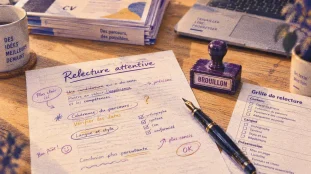
This famous dossier is not just an administrative process. It's your artistic "portrait," the reflection of the universe you want to defend. It is regularly recommended to vary media (small video, raw acoustic live, more advanced demo).
There is no need to invest insane sums: a sincere approach is sometimes worth more than a "ultra clean" achievement.
- ✅ Treat the presentation text and the photo (ideal being a simple, honest, true to your image)
- ✅ Hold two to three solid titles, preferably with at least one personal creation
- ✅ On a few lines, share what this springboard can represent for you at this point in your journey
Some jurors have said that simple, sincere videos, shot without any means, are sometimes the most striking, well in front of visually impressive but less authentic projects.
Resources and workshops for progress at each stage
Almost all the springboards now offer a detailed FAQ, examples of effective files, or even very concrete online workshops ("convincing a jury", "managing the galleys of live sound", etc.).
Even if it may seem distasteful, these resources are assets: consulting the evaluation criteria, exchanging with former candidates or seeking advice from an experienced musician can really change the situation.
A tip: start writing your file within 2 weeks of the deadline. This avoids rushing – you will probably avoid the last minute bug! (Who has ever known a recalcitrant file in enrollment cloture?)
For artists looking for visibility, participating in a musical springboard can also open the doors of best festivals to discover emerging artists.
Participating in a musical springboard can offer valuable visibility, in the image of professional showcases: value your products and attract attention, which capture the attention of key players in industry.
To maximize your chances in a musical springboard, discover our tips for a casting successful singing and adapted opportunities.
It is worth organizing a little upstream to approach things more calmly.
Pros FAQ & Tricks (The answers to the questions... that we all ask behind the scenes!)
No question is superfluous when preparing a musical springboard. Here are answers based on lived feedback, often shared between colleagues and musicians from all walks of life.
At what level can I introduce myself? Do we need a list yet?
Good news: the vast majority of springboards accept amateurs or profiles just launched. No CV star required: what matters is the potential, the emotion and the desire to invest on stage.
If your project is sincere and successful, you have every chance (a member of the jury recently mentioned having had a crush on an unknown and very touching duo).
What are the essential criteria of the jury?
Each competition has its own rules, but a few key points emerge regularly: quality of the musical proposal, creativity, stage work, overall coherence and possibility of evolution.
The jury does not expect an impeccable project, but stage investment, sincerity and fun to play often make all the difference – some say it's a "chill effect".
How much does a participation cost and what can be won?
Most serious competitions are free, or ask for a symbolic participation (to avoid crunching under fictitious applications). The remaining costs for musicians are almost always limited to the transport or rental of a rehearsal room.
Depending on the location, the prizes range from tailor-made coaching, to stock exchanges. 1 500 €, until distribution on large digital platforms.
Original covers or compositions: what is accepted?
It is highly recommended to propose original titles – this is the preferred choice of 9 out of 10. There are some springboards specialized in recovery, but these are clearly identified in the Regulation.
In other words, it is better to expose your universe than to interpret "in identical" known pieces!
Do you need pro equipment or a network to apply?
No, the purpose of these devices is to make the music scene more accessible. An honest recording, even home-made, will open doors.
Subsequently, each finalist is assisted by the organisational team, whether technical or vocal. A former winner pointed out that resourcefulness was often valued at the beginning of the course.
How to manage trac or isolation in a contest?
Frequent, legitimate question: the proposed accompaniment, the workshops and the exchange with its peers greatly help overcome the pressure. Dare to question the jury or the organizing team: their role is to help, not simply evaluate.
To relativize, remember that we hear a lot of musicians – even experienced musicians – confiding to trembling before their "first big scene" (and it's not always obvious!).
Useful data and timeline:
| Step | Dates (example Springboard Music |
|---|---|
| Applications | 18 April – 25 May 2025 |
| Public vote | 5 - 19 June 2025 |
| Proclamation results | 20 - 25 June 2025 |
| Award | 1,500 € + coaching + digital distribution |
| Finalists by edition | 15 on average |
Remember to retrieve the checklist of the target springboard: it will avoid many oblivion – and will often save you valuable time when the time comes.
If there is any doubt, there is no need to contact the organization. A simple message can reassure and encourage you to take the first step.
Updated on 23 March 2026