
Published by: Guillaume Martin — Editor in Chief
Updated on 23 March 2026
Contents
The burglary of the Museo Civico de Verona
This spectacular and well orchestrated burglary at the Museo Civico di Castelvecchio in Verona shook the world of art. What pictures were stolen and why is this flight so significant?
Details of the burglary at the Museo Civico de Verona
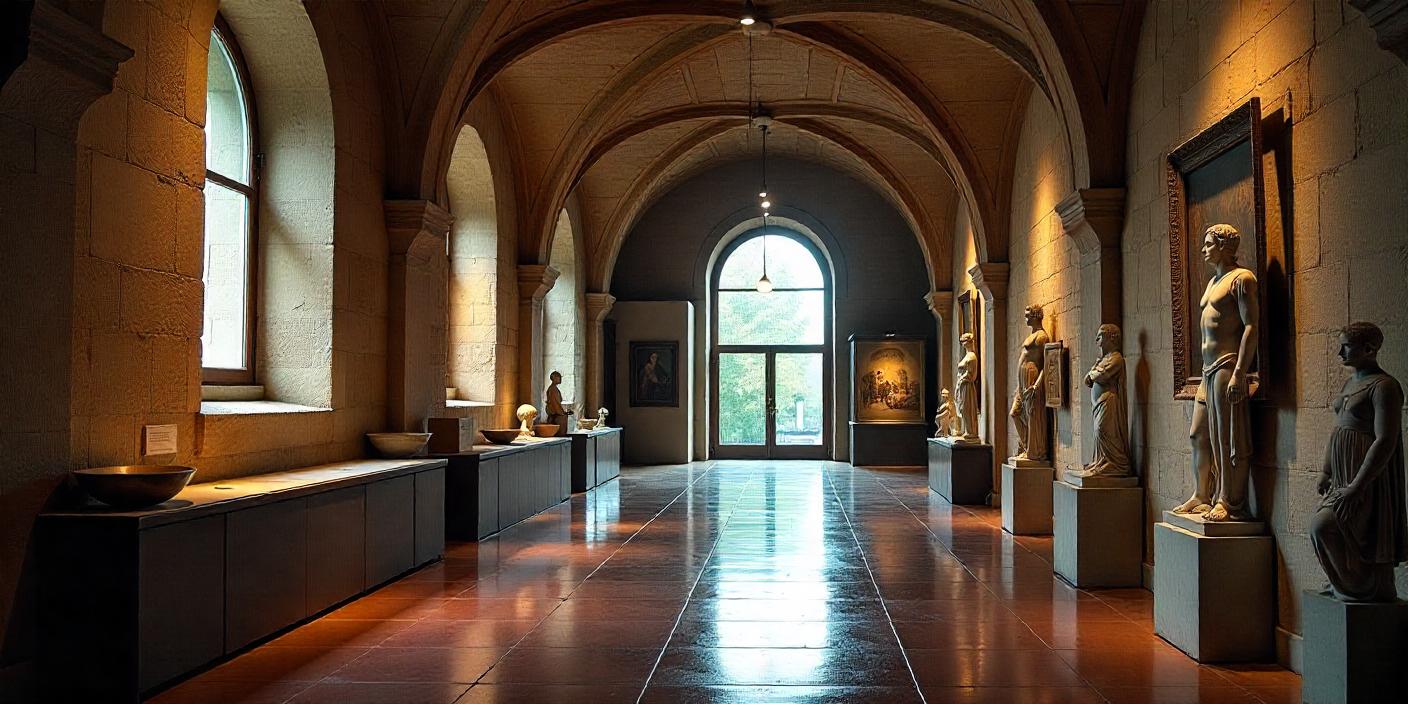
Thursday, November 19, 2015, three hooded men entered the museum just before the closure. They mastered the cashier and the guard, systematically picked up the paintings and fled aboard the guard's car. According to Roberto Bolis, responsible for communication in the city of Verona, the thieves were professionals probably carrying out a specific order. This flight was carried out with great precision, suggesting a thorough knowledge of the premises. Indeed, without saying a word, the burglars seized 17 paintings, but left behind some of the museum's most valuable works, reinforcing the hypothesis of an order.
It is notable that the stolen paintings had an estimated combined value of between 10 and 15 million euros, stressing the importance and gravity of this loss for the museum and the city of Verona.
Assumptions on the motivations of burglars
As regards the motivations of thieves, two main hypotheses emerge: the first is that of a specific order from private collectors, who wish to acquire these works illegally. The second hypothesis suggests that thieves may want to demand a ransom in exchange for the restitution of paintings, a well-known practice in the art world. A similar precedent took place in Italy a few years ago, where stolen works were returned for a sum of money.
These theories are supported by previous incidents of theft of works of art for ransom, such as the one at the Museum of Modern Art in Piacenza, where a work stolen in 1994 was returned against 150 000 €. The demand for ransom, although difficult to prove, remains a significant possibility in this type of theft.
The works stolen from Verona
The 17 paintings stolen in Verona include works by ancient masters, each with great artistic and historical value. What are these tables and how important are they?
List of stolen tables
The list of works subtlety during the burglary is long and represents a diversity of artists and styles:
- The Madonna with the quail of Pisanello
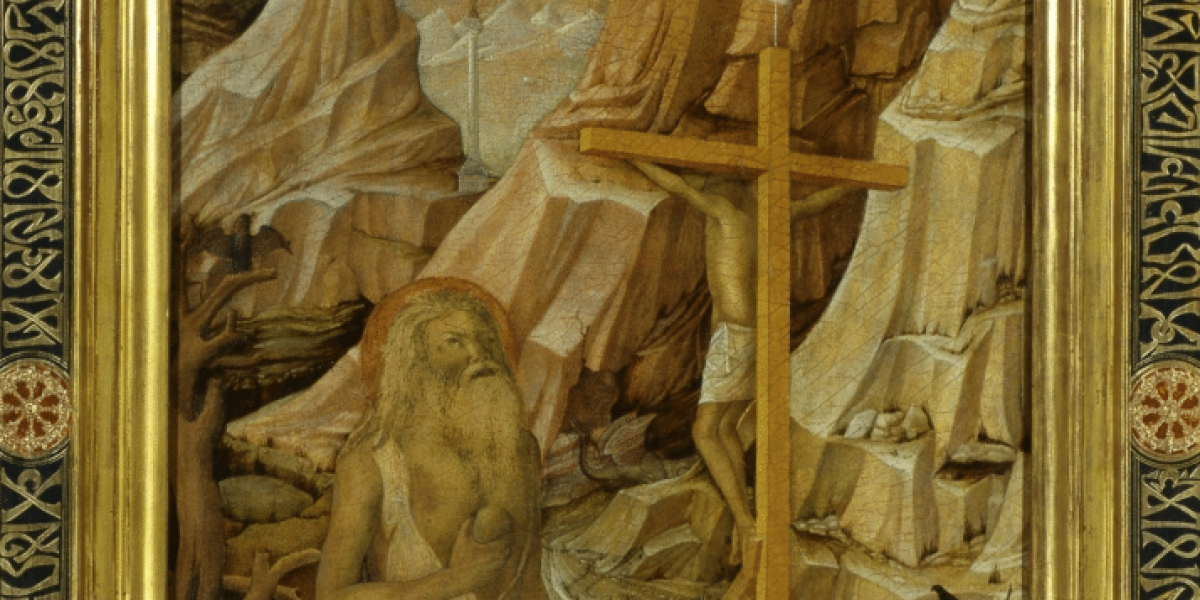
- Saint Girolamo penitent by Jacopo Bellini
- Holy Family d) Andrea Mantegna
- Two portraits of Giovanni Francesco Caroto
- Blessed Virgin nursing of Tintoret
- Transport of the Ark of the Covenant of Tintoret
- Banquet de Baltasar of Tintoret
- Samson and Solomon ' s Judgment of Tintoret
- Another Tintoret painting
- Deux tableaux de Domenico Tintoretto
- One Landscape and one Seaport Hans de Jode
- One Rubens
- Portrait of Girolamo Pompeii by Giovanni Benini
Value and importance of stolen works
These paintings, beyond their estimated monetary value of between EUR 10 and EUR 15 million, are central to the artistic heritage. The theft of these works not only deprives Verona of invaluable cultural treasures but also impacts the international arts community. Some works, such as those by Rubens and Tintoretto, are irreplaceable and their loss leaves a huge gap in the museum's collection.
Experts believe that the city minimizes the impact of this flight, but for art connoisseurs the damage is considerable. Each stolen painting is an irreparable loss for art history and raises questions about museum security and protection protocols.
Impact of the flight on the art world
Let us analyse the consequences of the theft of the 17 paintings on the city of Verona, its citizens, the museum and the art market in general.
Impact on the city of Verona
Verona tries to minimize the impact of burglary, but for art experts and amateurs, the loss is incalculable. These paintings represent a significant part of Verona's cultural heritage and their absence is strongly felt. Verona is a city rich in history and culture, and these stolen works are important witnesses to its heritage.
The disappearance of these paintings may affect cultural tourism, as visitors often come to admire these masterpieces. This could also influence the perception of cultural security in the city, asking questions about Verona's ability to protect its artistic treasures.
Impact on the Verona Museum
For the Museo Civico di Castelvecchio, this flight is devastating. The museum must now strengthen its security measures and review its protocols for the management of works. Stolen works may never reappear, which represents a major loss to the museum and its collections. The museum's credibility as a secure institution is questioned, which could affect the lending of works by other institutions and future exhibitions.
The safety of museums is paramount to prevent such incidents. Experts often recommend the integration of modern technologies such as sophisticated alarm systems, high-resolution surveillance cameras and well-trained guards to protect art collections. The Museo Civico will certainly have to invest in these technologies to avoid future flights and ensure the safety of the remaining works.
The black art market
Stolen objects, especially those of great fame, often end up on the black art market. This illegal market works to allow thieves to sell works without being identified, often to private collectors who know the source of the works. The chance of finding these paintings is low, as they can be hidden, sold clandestinely or destroyed if the suspects feel the police coming closer.
The black art market is a major problem for the authorities, who often take years to recover stolen works. The paintings stolen in 2015 from the Tate Gallery were found after intensive investigations by the British and German authorities, highlighting the complexity and length of recovery processes.
Famous flights of paintings through history
Theft of art works is not new. Let us look at some of the most famous thefts of paintings in the world to understand the extent of these criminal acts.
Comparison of the thefts of famous works of art
| Year | Location | Stolen Works | Estimated amount |
|---|---|---|---|
| 1911 | Louvre Museum, Paris | Mona Lisa | Inestimable |
| 1990 | Isabella Stewart Gardner Museum, Boston | 13 works including one by Vermeer, Rembrandt, Degas | $500M |
| 2012 | Kunsthal, Rotterdam | Picasso, Monét, Gauguin, Freud | EUR 18M |
| 2015 | Museo Civico di Castelvecchio, Verona | 17 works including Rubens, Tintoretto | EUR 10-15M |
Analysis of historical flights
Analysing the previous flights of deeply significant works of art such as those of the Isabella Stewart Gardner Museum or the Kunsthal in Rotterdam helps us understand the techniques and recurrent motivations of burglars. The flight of the Mona Lisa in 1911 is probably the most famous, having made the work even more famous after its recovery.
The flights of works by Rembrandt and Monet, among many others, have also highlighted the challenges and challenges of protecting artistic treasures, and often the links between these flights and black market networks. These historical incidents show that there is no typical profile for art thieves, and that motivations can range from mere greed to artistic prestige.
Expert analyses on theft of art works
Art security experts share their views on the motivations of thieves, effective security measures and current trends in art theft.
Motivations behind art theft
The motivations of art thieves are varied and complex. Interviews with art security experts reveal the main reasons, such as orders for private collectors, ransom requests, or simply black market resale. For example, surveys have shown that some specific orders come from collectors who want to own famous works in complete discretion.
The well-organized and resource-rich black art market is also a major motivation for these flights. The stolen works are sold there at prices well below their real value but still offer substantial income to thieves. The demand for ransom remains a tactic used, although it is less common because of the difficulty of execution.
Museums protection strategies
Museums' protection strategies are constantly evolving to respond to growing threats of theft. Security experts recommend a multitude of measures such as the installation of advanced alarm systems, the use of highly qualified security personnel, and rigorous protocols for the management of works. Some museums opt for modern technologies such as motion sensors, high definition cameras and GPS tracking systems for the most valuable works.
It is also recommended to share information on flights and attempted flights with other artistic institutions in order to create a common database that helps prevent and respond quickly to theft. Awareness-raising and training staff in crisis management are also crucial to the protection of works.
This bold flight recalls the importance of preserving artistic treasures, such as those that can be admired in Must-visit museums in New York: a guide for art lovers.
FAQ on the theft of art works
Answers to the most frequent questions concerning the theft of works of art, protective measures and the black market of art.
How do museums protect their works?
Museums protect their works with a combination of advanced technology and strict protocols. They use modern security systems including high definition surveillance cameras, motion sensors, GPS positioning devices for mobile works and sophisticated alarm systems. Security personnel also play a crucial role, with ongoing training on protection techniques and emergency response.
Collaborations between museums to share information on potential threats and regular security audits are also common practices. Some museums invest in armored windows and locking devices for valuable works.
What usually happens to stolen works?
Stolen works often go through a network of resellers on the black market, sometimes from private collectors who are aware of their illegal origin. Unfortunately, many stolen works never surface again, either because they are hidden or because they are destroyed when thieves fear the approach of the police. The recovery of works is a long and often unsuccessful process, requiring international cooperation and many resources.
It is not uncommon to see works reappear after years, often at auctions or after intensive investigations. For example, Van Gogh's painting stolen from the Singer Laren Museum in 2020 has been found thanks to leads obtained by detectives specializing in art theft.
Consequences and impacts of the flight
Let us analyse the consequences of the flight of the 17 paintings on the city of Verona, museums, and the art market in general.
Impact on the city of Verona
Verona tries to minimize the impact, but for art connoisseurs, the loss is incalculable. These paintings represent a significant part of the city's cultural heritage. The loss of these works can affect cultural tourism and the city's reputation as a curator of art and heritage.
It is crucial for the city to strengthen the security of its museums and to show that it is taking steps to protect the remaining artistic treasures. The local community feels this loss strongly, and the city must play an active role in the effort to recover works.
Impact on the Verona Museum
The Museo Civico di Castelvecchio is facing a major crisis following this flight. It will need to increase security measures and adapt its protocols for managing works. Losses are not only a cultural tragedy, but also a crisis of confidence in the museum.
Security arrangements must be modernized with advanced technology, and staff training must be put in place to prevent similar incidents. The loss of stolen works is a great pain for the museum, and their recovery should be a priority.
Sources:
Thefts of Artworks and the Black Market: A Case Study of the Museo Civico di Vicenza
Art Theft and the Black Market: An Analysis of the Italian Context
Updated on 23 March 2026