
Published by: Guillaume Martin — Editor in Chief
Updated on 23 March 2026
Setting up a motorhome is not only a gain of space, it is a transformation of a reduced space into an inspiring and organized place of life. Whether you're starting a development project for short stays or for the long road, this article delivers concrete benchmarks, tested examples and techniques that will allow you to design an atmosphere completely in your image, without sacrificing practicality or your budget.
Contents
Optimize space and exploit each useful centimeter
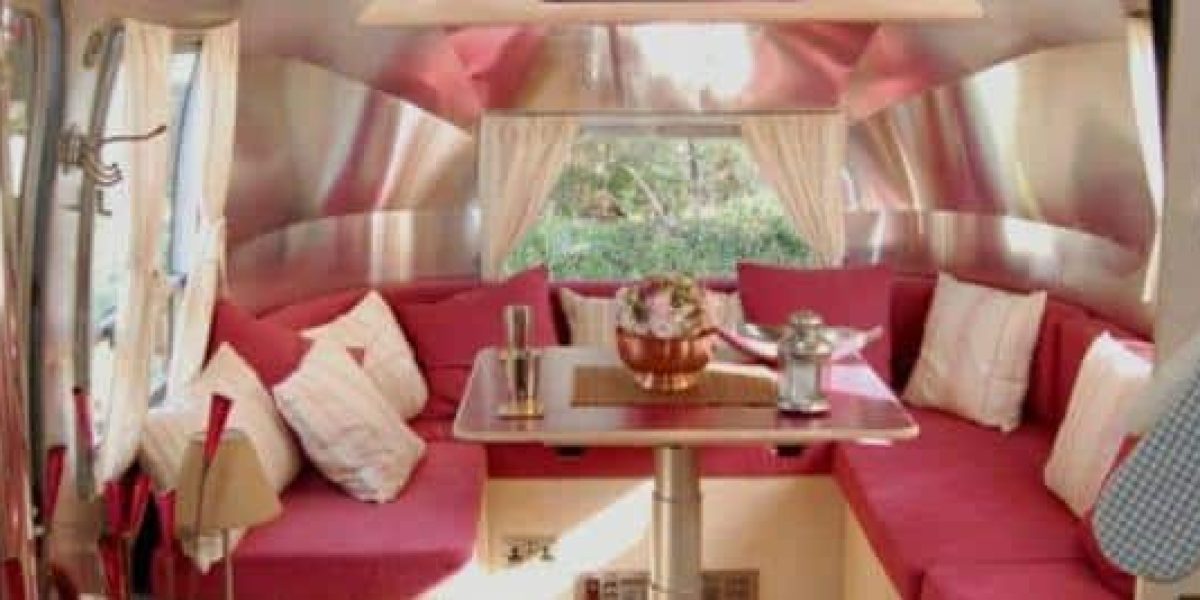
In a motorhome, each inch deserves reflection. To address this development is also to treat each area as a resource to be valued. Functionality must take precedence: prioritise elements Multi-use (swimming benches, folding table, sofa bed) and think about occupying the ceiling and walls. The suspended walls and storages easily accommodate accessories and light elements, while freeing the floor space.
The light palette and mirrors play on volumes and light to avoid the impression of congestion. The sober and airy textiles reinforce this sense of clarity without overloading. Attention to safety: anything that hangs or rests on a shelf must be firmly fixed (visors, robust straps). Finally, each purchase must be thought of according to the real dimensions of your spaces: take the time to measure for each new arrangement.
Transformable furniture for smart design
Rationalizing is choosing furniture that evolves with the moment: bench-bed, sofa bed, folding table. Building on these formats guarantees you an adaptable, organized and visually consistent housing.
- The sofa bed
Quickly transforms the seating area into a night space, using the bottom for direct access to storage. Light weight recommended to last without weighing. - The retractable bed or folding mezzanine
Optimizes the day surface and only occupies the volume for sleep. Provide a precise installation (anchoring points, balance of masses). - Wall or removable table
Example adopted by many creators: it folds completely and guarantees fluid circulation, while perfectly resisting shocks thanks to a secure locking system. - Multifunctional box seats
Regroup sitting and storage for shoes, equipment or everyday business. Think of stackable and modular versions to adapt to the configuration.
This modular furniture is to be adapted to the motorhome plan and tested in real-life conditions. For longevity, targets proven materials (sea plywood, steel). Practical: any addition must be fixed or strapped to remain in place.
Storage tips for a clean and accessible interior
A good storage goes through a rule: everything must have its place... and stay there even on the road. Investing in stackable boxes (essential transparency to easily spot), hanging organizers for small equipment and elastic nets offers maximum efficiency with minimal space occupied.
Rails and magnetic tapes are used for metal utensils or accessories to avoid bulk. Drawer dividers, often neglected, secure fragile elements. Using a progressive method allows to maintain the organization: sort the essentials, assign areas to each use and secure everything that could move.
Accessories to increase daily functionality
- Multifunctional hooks : hang clothes, bags, utensils on the walls.
- Foldable shelves : install, cast down, free space in the footsteps – particularly useful for small storage or dishes.
- Bottle rack suspended : attach under shelf or in a closet to prevent the bottles from rolling or sinking.
- Stretchable accessories : such as folding bin or deployable dryer for a tailor-made organization.
- Perforated rails or magnetic bars : adapted for evolution and modularity, adding hooks, cable racks or small baskets as needed.
Focus on lightness (alu, bamboo, composite materials) and test vibration resistance to ensure both fluid and secure use.
Combining design and utility: integrating every detail into its project
The idea here is to make comfort visible in everyday life without sacrificing style. Mirrors, flexible textiles removable, cushions coordinated with curtains, removable carpets and adhesive frescoes are the daily allies to balance your space. Changing color or mood becomes simple, as these elements are interchangeable at will.
Think also of indirect lighting with LED bands Under the high furniture or along the plinths: soft orientation, multiple atmospheres, low consumption. Compact and nomadic booster lamps create areas for reading or relaxing without technical overload.
Durable materials: focusing on strength and aesthetics
Choosing the marine plywood as a base (furniture, partitions), it is to optimize the ratio of strength to weight to humidity. Water-repellent or heat-resistant fabrics, such as polyester or treated cotton covers, should dominate your purchases, especially for frequent use.
As for wall dressing, adhesive vinyls specially calibrated for vehicles (UV resistant, micro-wear) offer quick customization: just a few tools to apply, remove or change the atmosphere. It is best to favour products with low VOC emissions to preserve the air quality of the vehicle.
For anything that requires prolonged resistance – handles, hooks, supports – aluminum and stainless steel fit. A small environmental note: making the choice of certified panels (FSC), water-based paints or solvent-free varnishes is a combination of resistance to a healthier space.
To optimize your motorhome space while adding a personal touch, find out how make a TV holder with pallet: creative tutorial and easy to make.
For a welcoming seating area, think about dress up a wall with a pallet for TV support, a practical and aesthetic DIY solution.
To bring a warm and functional touch to your night corner, discover how to integrate a stylized and practical light headboard in your motorhome.
Adhesive decoration: efficient method for a sustainable installation
- The base? Clean surface (isopropyl alcohol degreasing), smooth or sand if necessary.
- Test the sticker's location with tape, then gradually apply from center to edges with a plastic raclette.
- For textured areas, focus on ducted/micro-perforated stickers and strengthen the installation with a hairdryer.
- In case of a bubble, unobtrusively drill and smooth to finish. A matt or glossy finish protects the whole.
Customize the exterior of the vehicle
The outside is the opportunity to express its touch, but also to improve the functional aspect. The current outdoor stickers, designed to withstand UV, are available in customizable versions (forms, colors, patterns): you can vary with reflective stripes to enhance visual safety or opt for a complete pattern that asserts. On the practical side, accessories such as luggage racks, tiltable solar panels or awnings with original motifs play a dual role: use and identity. Always ensure the technique of laying, the respect of the limits of load and the generation of sensitive points (lights, plates) to avoid problems of approval.
Practical FAQ for successful deco and troubleshooting
- Interior/external materials: furniture: marine plywood; fabric: draining or treated; stickers : vinyl cast/UV anti-laminated for outdoors.
- Avoid bubbles/folds: perfectly clean surface, tested installation before bonding, soft raclette and mist of soapy water to adjust before definitive adhesion.
- Repair sticker: Take off gently by heating (hair dryer), apply primer to hang if necessary, reposition or change if wear is too visible.
- Removal without damaging the paint: Heat the sticker, pull slowly, continue with isopropyl alcohol and then re-protect the surface.
Budget and schedule: planning according to project
To clarify the order of magnitude:
| Type of processing | Budget range | Estimated duration |
|---|---|---|
| Lighting, textiles, interior stickers | 50–300 € | 1–3 days |
| Multifunctional furniture + outdoor stickers | 300–1 000 € | 1-2 weekends |
| Complete renovation (furniture, solar panels, exterior decoration) | 1 000–5 000 €+ | 1–4 weeks |
The most productive remains to progress in stages, adopt the logic of testing/correction, and validate each transformation before investing on a larger scale.
Ready to give your motorhome style? What tricks have you tested, what galleys or successes can you share? Don't hesitate to discuss it in comments, send your photos before/after or share the article on your networks to inspire other creators or travelers.
What materials or techniques would you like to deepen? Leave your ideas or your own experience at the bottom of the page: each return nourishes the community and improves the quality of future files!
To go further, you can consult recognized sources such as Campercontact, Le Monde du Camping-Car or the Fédération Française des Cars de Loisirs, which offer practice guides and selection of tested products.
Article written by Guillaume Martin, trained in mobile design and accompanying creative projects. Last update: June 2024.
Updated on 23 March 2026