
Published by: Guillaume Martin — Editor in Chief
Updated on 23 March 2026
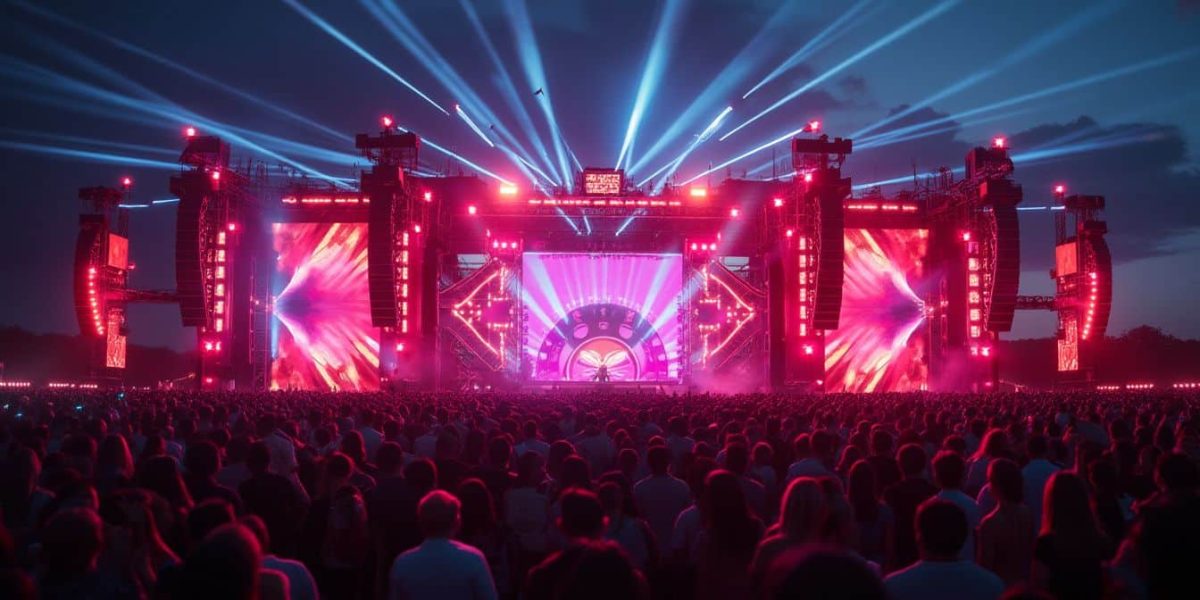
The electronic music festivals undeniably marked their mark in the world culture. Every year millions of enthusiasts flock to emblematic events such as Tomorrowland in Belgium, Ultra Music Festival in Miami or Sónar in Barcelona. These festivals are not only musical events, they represent poles of innovation, creativity and cultural diversity. Over the years, they have evolved, adapting to new technologies and the expectations of an increasingly varied public.
At the same time, they stimulate the local economy and provide a platform for emerging artists. The increasing popularity and economic impact of these events illustrate their growing importance in our society. But beyond numbers and performances, these festivals are above all places of encounter, exchange and celebration, where electronic music transcends cultural and generational barriers.
Contents
Origins and evolution of electronic music festivals
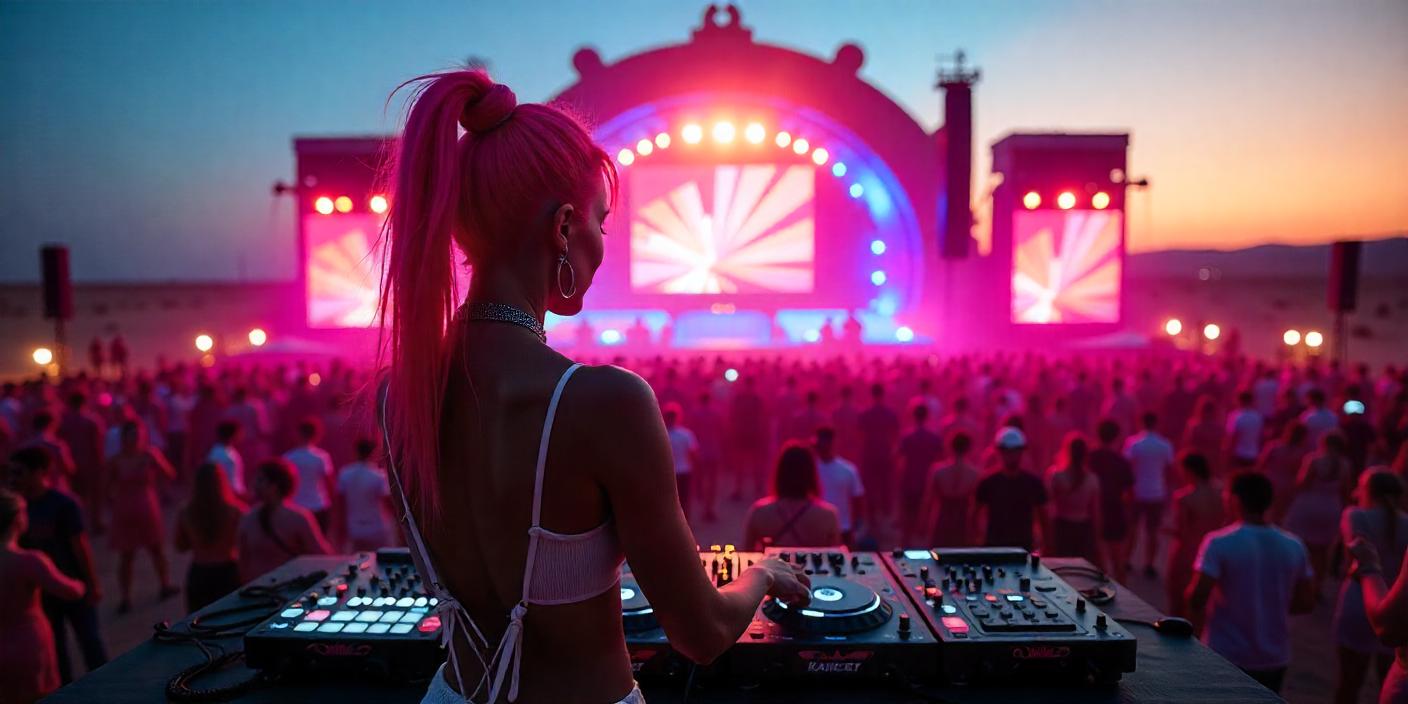
Festivals electronic music have come a long way since their modest beginnings. They have become a must, attracting millions of fans around the world. Understanding their origins and evolution allows us to better appreciate their cultural and technological impact.
The first festivals
The first music festivals Electronics began in the 1990s. Events like the Mayday in 1991 and Street Parade in 1992 marked the beginning of this culture. These festivals were often organized in urban contexts, reflecting the underground and avant-garde spirit of electronic music of the time.
Over time, these events have gained popularity, attracting more and more participants. They have evolved to include light shows and artistic performances, creating an immersive experience for festivalgoers. Festivals like Time Warp and Sónar have also emerged, pushing the limits of electronic music and incorporating elements of art and technology.
Pioneers
The pioneers of electronic music have contributed greatly to the evolution of festivals. Artists like Kraftwerk, Jean-Michel Jarre and Daft Punk popularized the genre and influenced many festivals around the world. Their music not only attracted crowds, but also inspired a whole generation of new artists.
Symbolic festivals such as Tomorrowland and Ultra Music Festival owe much to these pioneers. These events have become annual appointments for electronic music lovers, offering world-renowned shows and a magical atmosphere. Renowned DJs perform on stage, creating unforgettable moments for participants.
- Tomorrowland : Known for its magical atmosphere and legendary DJ performances.
- Ultra Music Festival : Renowned for its light shows and impressive pyrotechnics.
- Sónar : An avant-garde festival combining music, art and technology.
These festivals continue to evolve, incorporating the latest technological innovations and pushing the limits of artistic creativity. They play a crucial role in promoting electronic music and disseminating contemporary culture around the world.
Economic impact of electronic music festivals
Electronic music festivals have a considerable economic impact. They do not just attract crowds of music enthusiasts; they also create significant economic opportunities for the host regions. These events stimulate job creation, increase festival expenses and generate local economic benefits.
Creating jobs and stimulating economic activity
Electronic music festivals, such as Tomorrowland or the Ultra Music Festival, are economic mastodons. They generate thousands of temporary and permanent jobs in various sectors:
- Logistics Transport
- Security and Emergency Services
- Hotels and catering
- Production and stage techniques
For example, organizing a festival may require weeks of preparation, hiring hundreds of workers to stage, install sound and light systems, and manage ticketing.
Increase in festival expenses
Festivalists are not limited to buying tickets. They also spend on transportation, accommodation, food and souvenirs. A festival like Coachella can see participants spend thousands of dollars each, thus contributing to the local economy.
Examples of current expenditures include:
- Accommodation (hotels, campsites, Airbnb)
- Catering (restaurants, food trucks, snack stalls)
- Transport (airport tickets, car rental, local transport)
- Merchandise (t-shirts, posters, accessories)
These significant expenditures have a multiplier effect on the local economy, stimulating trade and services.
Local economic benefits
The local economic benefits of electronic music festivals are enormous. They attract visitors from around the world, which directly benefits local businesses:
In Barcelona, for example, the Sónar Festival attracts thousands of visitors every year, stimulating the tourism, catering and retail sectors. In addition, these events provide a showcase for local artists and businesses, allowing them to make themselves known to an international audience.
Festivals can also encourage long-term investment in local infrastructure, such as improving public transport or renovating venues. This creates a virtuous circle where immediate economic benefits translate into lasting benefits for the community.
Cultures and communities in electronic music festivals
Electronic music festivals are not just musical events. They are spaces of encounter, expression and cohesion for thousands of enthusiasts. Each festival offers a unique immersion in an atmosphere where music, visual arts and technology meet.
Festival atmosphere
The atmosphere in electronic music festivals is often described as magical and immersive. Events like Tomorrowland in Belgium and Ultra Music Festival Miami is renowned for their impressive light and pyrotechnic performances. These festivals do not just present musical performances, they create complete visual and sound experiences.
Extravagant decors, interactive artistic installations and spectacular scenography transform each space into a fantastic universe. For example, Tomorrowland is famous for its elaborate scenes that compete with theatrical productions. These elements contribute to an atmosphere where participants can feel transported to another world.
In addition, festivals such as Sónar in Barcelona incorporate elements of art and technology, pushing the limits of what a musical event can be. Digital art installations and technological innovations are at the heart of the experience, offering festivalgoers a constant exploration of new trends and artistic advances.
The importance of the community
Beyond music and shows, electronic music festivals play a crucial role in the formation of global communities. These events bring together people from different backgrounds, sharing a common passion for electronic music. This cultural diversity enriches the experience and creates a sense of connection among participants.
Electronic music festivals offer a unique platform to explore Parisian events revealing new musical talents, while celebrating artistic innovation.
- Sharing unique experiences : Festivalists create unforgettable memories and share strong moments, strengthening social ties.
- Cultural exchange : International festivals like Coachella and Glastonbury attract participants from all over the world, fostering cultural exchange and open-mindedness.
- Support and inclusion : Many festivals highlight diversity and inclusion, offering platforms for women artists and minorities, and creating safe spaces for all participants.
Festivals are also places where music lovers can discover new artists and genres, expanding their musical horizons. For example, Sónar is known for its avant-garde programming, introducing festivalgoers to sounds and artists they might never have discovered otherwise.
In short, the importance of the community in electronic music festivals cannot be underestimated. These events are more than just a series of concerts; They are gatherings where passions meet, cultures mix and artistic innovations come to life.
Innovation and technology in electronic music festivals
Electronic music festivals are today at the heart of a technological revolution, transforming the experience of festivalgoers and pushing the limits of creativity. Various innovations and technologies are used to enrich these events and offer new immersive experiences.
Use of new technologies
Electronic music festivals incorporate technological advances to create unique experiences. For example, augmented reality (AR) and virtual reality (VR) technologies allow festivalgoers to dive into immersive and interactive environments. The scenes are often equipped with mapping projection systems that transform the scenery into moving art works.
Drones are also used for light shows synchronized with music, creating spectacular visual paintings. Sensors and facial recognition technologies are sometimes used to improve safety and smooth access to sites, thus ensuring a more enjoyable experience for all.
Digital content
The production of digital content has become essential for electronic music festivals. The organisers create mobile applications dedicated to enable participants to consult programmes, obtain real-time information and share their experience on social networks.
Festivals also broadcast live performances via streaming platforms, allowing fans around the world to live concerts as if they were there. Exclusive content such as artist interviews, behind-the-scenes or recorded DJ sets are often offered to maintain the engagement of festivalgoers even after the event ends.
Presence on social networks
Social networks play a crucial role in promoting and disseminating electronic music festivals. Organizers use platforms such as Instagram, Facebook and Twitter to create buzz before the event, share live highlights and interact with spectators.
- Publication of teasers and video trailers
- Organization of contests to win tickets
- Using specific hashtags to unite the community
- Collaboration with influencers and artists to increase visibility
The strategy on social networks is essential to maintain enthusiasm and attract an ever wider public. Festivals renowned as Tomorrowland or Ultra Music Festival are perfect examples of the effective use of social networks to create a strong connection with their audience.
By combining technology and creativity, electronic music festivals open new perspectives for artists and festivalgoers. They show how innovation can turn cultural events into memorable and immersive experiences. These developments mark the desire of these festivals to constantly adapt and renew themselves to offer their participants ever more magic and surprises.
Updated on 23 March 2026