

Published by: Guillaume Martin — Editor in Chief
Updated on 23 March 2026
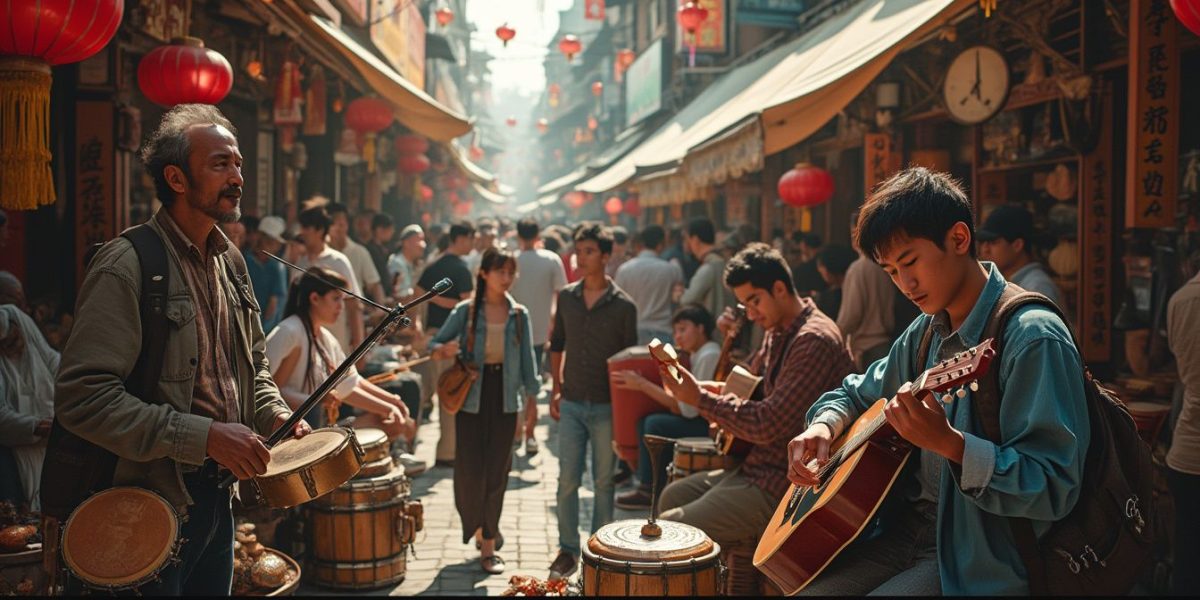
The pop culture Today is a true melting pot of musical traditions from all over the world. Exploring genres like Broadway or K-pop, we discover how these traditions influence and enrich our daily lives. Shows like *Hamilton* and groups such as BTS show that the fusion of traditional and modern musical styles can reach a wide audience. The globalization and streaming platforms have also played a key role in making this musical diversity more accessible than ever before. But how are these musical traditions preserved and evolving in this globalized context? This is a fascinating question that deserves to be explored.
Contents
The impact of musical traditions on pop culture

Musical traditions have always had a decisive influence on pop culture. Their role goes well beyond simply transmitting notes and rhythms; They shape identities, influence trends and unite cultures. Exploring how these traditions continue to mark the contemporary music scene.
Origins of popular music
Popular music is often rooted in well-established musical traditions. For example, Broadway works like Hamilton and Dear Evan Hansen have built bridges between music theatre and pop culture. These shows not only captivated the audience, but their songs also burst into the charts, becoming world hits.
In addition, traditional music from different cultures has often been integrated into pop music to create unique sounds. Irish folk music, African percussion and Indian classical music are some examples of traditions that have influenced and enriched the contemporary music scene. These influences manifest themselves in various genres, from pop to electro, to rock.
The globalization of music
Globalization has transformed the way we consume and share music. Streaming platforms like Spotify and Apple Music have revolutionized access to an immense diversity of musical genres. Today it is possible to listen to a K-pop album or discover a reggae artist in a few clicks, which contributes to the spread and popularity of these genres around the world.
This globalization has also encouraged the creation of hybrid genera. The Reggaeton, for example, mixes Latin music elements with urban rhythms, and K-pop integrates Western influences with Korean musical traditions. These hybrid genres illustrate how music can evolve and adapt while preserving its traditional roots.
- International collaborations between artists from different backgrounds
- The rise of music festivals celebrating cultural diversity
- The influence of social networks in the diffusion and popularity of new genres
In short, globalization has not only enriched the musical landscape, but has also strengthened the importance of musical traditions by making them accessible to a wider audience.
Musical traditions in the visual and cinematographic arts
Musical traditions have a fundamental place in the visual and cinematographic arts, enriching the works with varied sounds and captivating rhythms. They create unique atmospheres and reinforce the cultural identity of each artistic project.
The role of video clips in creating musical identities
Video clips play a major role in creating and disseminating musical identities. By combining music and images, they allow artists to communicate their universe more immersively. The video clips do not only promote a song, they also build the image and personality of the artists.
Some clips become real visual art works, marking minds with their creativity and aesthetics. For example, Michael Jackson's video clips have often pushed the boundaries of visual narrative and left a lasting imprint in the history of music. Today, artists use video clips to stand out and create an emotional connection with their audience.
- Visual Storytelling : Video clips can tell visual stories that accompany the music, adding a new dimension to the work.
- Unique aesthetics : Video clips can reflect the aesthetics and personal style of artists, strengthening their brand and identity.
- Public engagement : Video clips are an effective way to engage the public, creating memorable visual experiences that complement the music.
The influence of music in films and television series
Music plays a crucial role in movies and television series, influencing the mood and emotion of the scenes. It helps convey the messages and themes of works in a subtle but powerful way. Soundtracks are often as emblematic as films themselves, and some film music has become timeless classics.
Whether it is the epic orchestral compositions of John Williams for « Star Wars » or electro-acoustic pieces of Hans Zimmer for « Inception »film music has the power to transport spectators to different worlds and reinforce the impact of key scenes. TV series, like « Stranger Things », also use music to anchor their stories in specific times and to create distinctive atmospheres.
By integrating musical traditions In the visual and film arts, creators can enrich their works significantly. Music becomes a universal language that transcends cultural and linguistic barriers, allowing each viewer to experience an immersive and emotional experience.
The impact of musical traditions on contemporary culture
Musical traditions, far from being relegated to mere vestiges of the past, continue to shape and enrich contemporary culture. They are constantly reinventing themselves, adapting to new trends and technologies to create works of unparalleled richness and diversity.
The hybridization of music in contemporary culture
Musical hybridization is probably one of the most fascinating phenomena of our time. It is manifested by the fusion of distinct genres, creating new and captivating sounds. For example, K-pop mix of traditional Korean music elements with influences of Western pop, hip hop, and electronic music.
This hybridization is not limited to a single genus or culture. There are bold mixtures all over the world:
- The Reggaeton, which marries the rhythms of Jamaican reggae with Latin American influences.
- The Jazz Fusion, combining traditional jazz with rock, funk or even electronic elements.
- The World Music, a broad category that integrates musical traditions from all over the world, creating bridges between cultures.
These hybrid genres perfectly illustrate how traditional music can evolve and adapt, while preserving its essence. They also show how globalization and new technologies facilitate the meeting and mutual enrichment of different musical traditions.
Music and cultural identities
Music plays a central role in the construction and preservation of cultural identities. Each culture has its own musical traditions, which are often linked to specific rites, ceremonies or events. These traditions serve as identity markers and vectors for the transmission of collective values and stories.
For example, classical Indian music is deeply rooted in Indian spirituality and philosophy, while the African percussion are often used in ceremonial and community settings. Similarly, the Celtic music reflects the history and legends of the Celtic peoples.
By preserving these traditions, communities strengthen their identity and social cohesion. However, globalization and marketing can sometimes threaten these traditions. Therefore, it is crucial to support conservation initiatives such as:
To better understand how musical traditions shape contemporary art, explore the role of music in committed documentaries.
- The dedicated festivals traditional music, which offers a platform for the performance and transmission of these traditions.
- The archive projects and documentation to preserve and disseminate traditional musical works.
- The educational programmes which raise awareness among younger generations of the importance of their musical heritage.
In short, musical traditions continue to play an essential role in contemporary culture. They adapt, transform and enrich, while maintaining their ability to gather and inspire individuals around the world.
exploration of musical traditions and their influence
Musical traditions They are not just relics of the past, they continue to profoundly influence contemporary culture and modern musical creation. From Broadway to international musical fusions, they shape our soundscape in a dynamic and innovative way.
impact of musical traditions on pop culture
Musical traditions have an indelible impact on pop culture. Take the example of Broadway, whose musicals like Hamilton and Dear Evan Hansen have transcended the borders of theatre to become global cultural phenomena. The songs of these shows resonate well beyond Broadway scenes, simmering in playlists around the world.
World music also plays a crucial role. It acts as a bridge between cultures, providing a common language that transcends linguistic and geographical barriers. Artists like the Beatles, and more recently K-pop bands like BTS, illustrate how globalization allows a rich fusion of styles and sounds.
preservation and evolution of musical traditions
Preserving traditional musical forms is a complex mission in a globalized and commercialized world. Efforts to archive these musics, educational programs and support local artists are essential. Festivals dedicated to traditional music also play a crucial role in promoting these genres.
Hybrid genera, such as K-pop and Reggaeton, are living examples of this evolution. They mix traditional elements with mainstream styles, creating popular genres internationally. These mergers show how musical traditions can evolve while maintaining their roots.
impact on cultural identity
Musical traditions are deeply rooted in the cultural identity of each society. For example, Indian classical music, African drums and Irish folk music are essential components of ceremonies and celebrations. They are not only artistic expressions, but also symbols of cultural identity.
Cinema, like music, has also been a powerful vehicle for cultural exchange. The Golden Age of Hollywood introduced American ideals and lifestyles to a global audience, just as music could do with its melodies and rhythms.
summary of key points
- Broadway's musicals influence global pop culture.
- World music acts as a bridge between cultures.
- The preservation of traditional music is crucial despite globalization.
- Hybrid genres show the evolution of musical traditions.
- Musical traditions are essential to cultural identity.
resources to go further
To explore these topics, I recommend that you consult the following articles:
- Broadway: Impact on Pop Culture
- Global Beats: Exploring World Music and Its Cultural Impact
- The Rise of Pop Culture – Globalization of Music, Film, Fashion
- Music and Tradition: Evolution & Impact
- Issues for Documenting Music Content
In conclusion, musical traditions continue to influence our contemporary culture significantly. They enrich our soundscape, preserve our heritage and foster cultural exchange. Whether through Broadway, international music fusions or dedicated festivals, they remain an inexhaustible source of inspiration.
Updated on 23 March 2026