

Published by: Guillaume Martin — Editor in Chief
Updated on 23 March 2026
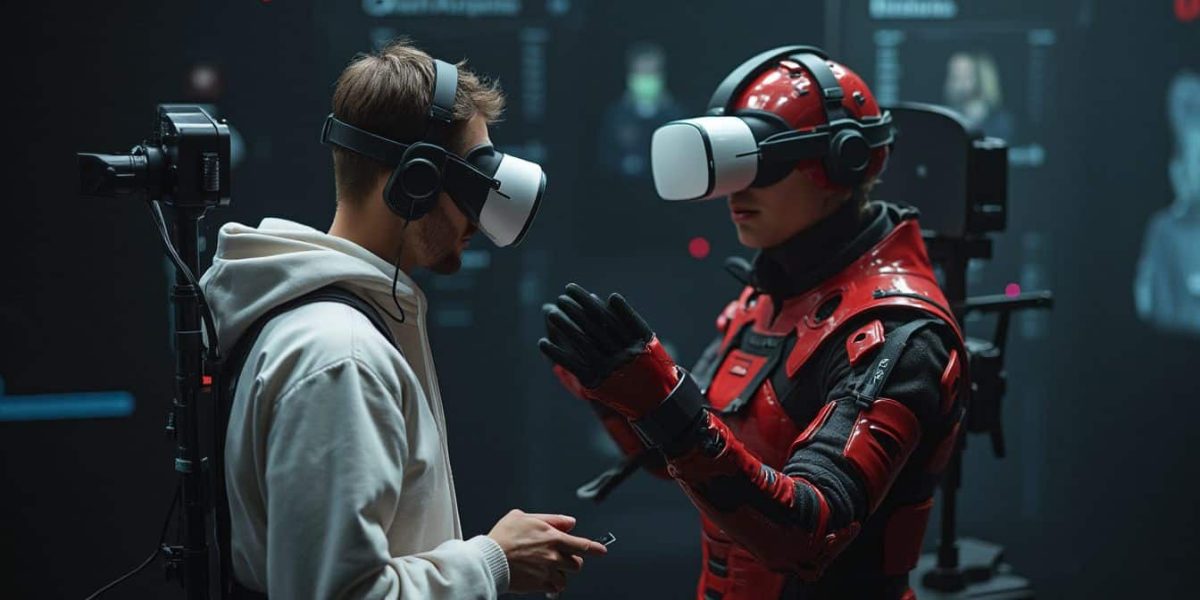
Contemporary artists push the boundaries of creativity by integrating technological tools into their performances. The Coldplay band, for example, transforms its concerts into spectacular immersive experiences thanks to its « Xylobands » synchronized with music. Other artists, such as Ariana Grande and Taylor Swift, also use these innovations to create unforgettable performances. But technology is not limited to music. The drones, the LED wallsand the projection mapping are all elements that transform the scenes into real interactive works of art.
The use of Virtual reality (VR) and the augmented reality (AR) It allows viewers to dive into digital worlds, while the motion sensors and holograms offer endless possibilities to captivate the public. Interactive performances like installation « First Intimates of Being » or the coin « Why Me » d-Emmanuelle Reynaud shows how these technologies revolutionize performing arts, offering spectators a unique and participatory sensory experience.
Contents
The Beginnings of Technology in the Live Arts
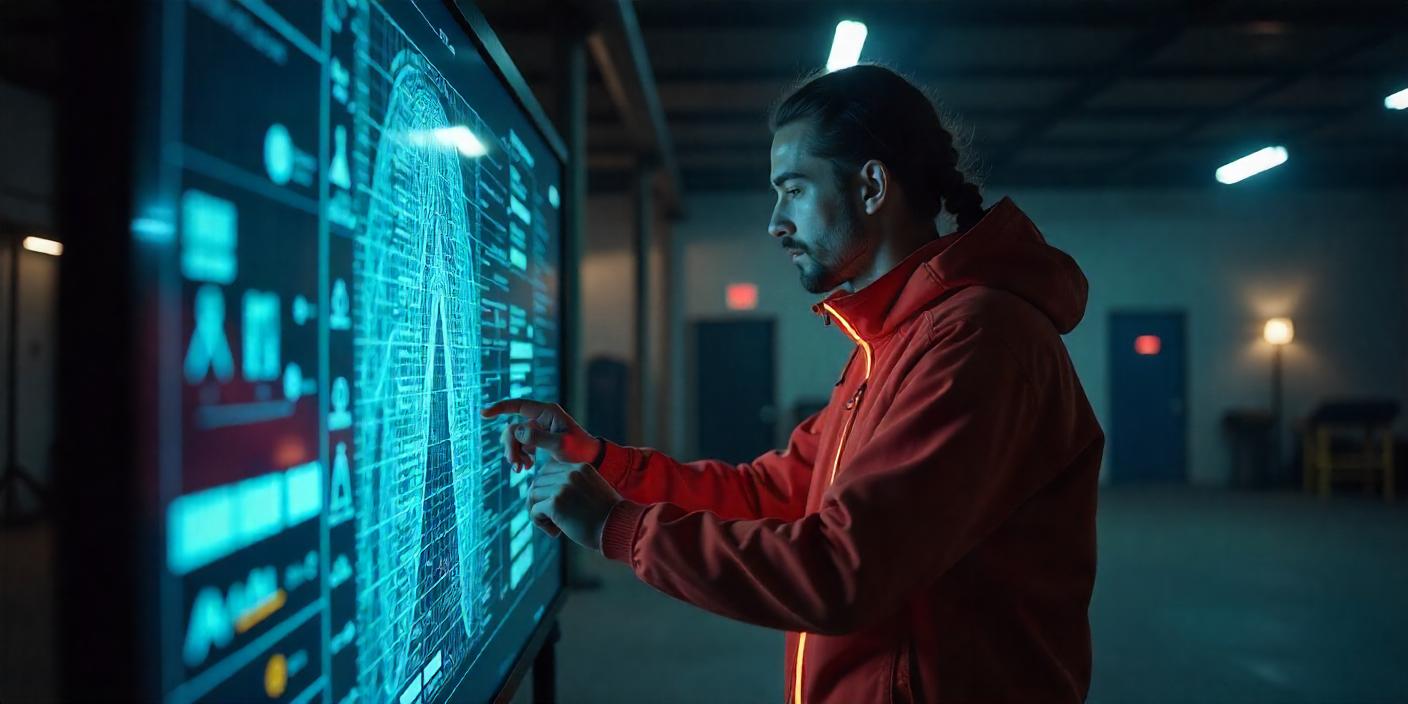
The integration of technology into the living arts has revolutionized how performance is created and perceived. This evolution allowed artists to push the limits of creativity, offering immersive and interactive experiences to the audience.
Use of creative software
Creation software play a crucial role in the transformation of the living arts. They allow artists to design scenography, create visual and sound effects, and integrate digital elements into their performances.
The most widely used tools include:
- 3D modelling software : They create virtual environments and digital objects that can be integrated into performance.
- Motion detection software : These tools capture the movements of performers and transform them into digital data to control visual or audio elements in real time.
- Augmented and virtual reality software : They allow you to superimpose digital images on the real world or plunge viewers into fully virtual environments.
Digital scenography
Digital scenography has also transformed the living arts, creating dynamic and interactive settings. With technologies such as LED walls, projection mapping and motion sensors, artists can design scenography that responds to the actions of performers and spectators.
Artists like Coldplay, Ariana Grande and Taylor Swift used these technologies to turn their concerts into immersive experiences. For example, « Xylobands » Coldplay, LED bracelets synchronized with music, create a sea of pulsating colors that reacts in real time to performance.
In conclusion, the use of creative software and digital scenography offers artists powerful tools to push the limits of creativity and offer unforgettable experiences to spectators.
Interactive theatre and public involvement
Interactive theatre revolutionizes the way the audience perceives and participates in shows. Thanks to new technologies, spectators are no longer mere observers, but become full players in performance.
Increased Reality and Mobile Applications
The augmented reality (AR) and mobile applications play a crucial role in public involvement. These technologies allow virtual elements to overlap with the real world, creating an immersive and interactive experience. For example, during a play, spectators can use their smartphones to see additional characters or scenery appearing around them.
Mobile applications can also be used to receive information in real time, participate in surveys or interactive quests. Here are some advantages of the AR and mobile applications in interactive theatre:
- Create immersive and personalized experiences
- Facilitating public engagement and participation
- Providing new and enriching perspectives
- Allow real-time interaction with actors and sets
Examples of innovative projects
Several innovative projects have emerged, integrating technology to offer unique theatrical experiences. For example, Coldplay uses « Xylobands » to synchronize LEDs with music, transforming the audience into a sea of colorful lights. This technology was also used by Ariana Grande during her tour « Sweetener ».
The Chemical Brothers and Muse integrate drones, LED walls and projections to create stunning shows. These interactive elements allow the public to feel an integral part of the show, increasing their commitment and pleasure.
Another example is installation « First Intimates of Being », which uses infrared sensors and algorithms to represent three-dimensional images of participants in real time. The performance of Emmanuelle Reynaud « Why Me » combines virtual reality and live entertainment for a unique and immersive experience.
Digital dance and technological integration
Digital dance represents a fascinating fusion between the art of traditional choreography and technological advances. This intersection allows not only to explore new forms of artistic expression, but also to push the limits of stage creativity. Let's dive into the different tools and examples that illustrate this digital revolution in dance.
Choreographic creation software
Choreographic creation software plays a crucial role in the evolution of contemporary dance. They offer choreographers powerful tools to plan, visualize and experience movements in a virtual way before integrating them into real performance.
- DanceForms : A popular software that allows choreographers to create and analyze 3D movements. It is used to visualize dance sequences and test various combinations of movements.
- LifeForms : This program offers advanced features for virtual body manipulation, allowing users to design complex and detailed choreography.
- MotionBuilder : Used mainly in animation and special effects, this software captures the human movement and applies it to digital avatars, thus facilitating the creation of digital choreographies.
These tools do not simply simplify the creation process; They also open the door to innovations that would be difficult to achieve without the help of technology. For example, the ability to model 3D movements allows us to explore angles and dynamics that cannot be captured in traditional repetition.
Examples of innovative performance
Technological integration in dance performances has given rise to truly stunning performances. Highlights include:
Coldplay used « Xylobands » for an immersive experience during their concerts. These LED bracelets were synchronized with music, transforming the audience into a sea of pulsating colors.
Ariana Grande and Taylor Swift have also adopted this technology for their tours, offering visually beautiful performances thanks to the « Xylobands ».
The Chemical Brothers and Muse integrated drones, LED walls, projection mapping and synchronized lighting to create unique and unforgettable experiences.
Another example is installation « First Intimates of Being », which uses infrared sensors and gender recognition algorithms to represent three-dimensional images of participants. This installation captures the movements of spectators through a Kinect, integrating them directly into the work of art.
Finally, Emmanuelle Reynaud's performance « Why Me » combines virtual reality and live entertainment, using various dramaturgic and technical approaches to organize the circulations of performers and the public. These examples show how technology can transform a dance performance into an immersive and interactive experience, pushing the limits of what is possible on stage.
The development of interactive technologies favours artistic collaborations: the fusion between visual art and musicoffering the public unprecedented sensory experiences.
Live music and technology
The fusion between live music and technology has transformed the experience of concerts, making each performance unique and immersive. Technological innovations allow artists to push the limits of creativity, offering the public unforgettable performances. Let us explore some of the ways in which this symbiosis manifests itself.
Computer-generated light and visual installations
Light installations and computer-generated visuals have become essential elements of modern concerts. They create a particular atmosphere, tell a visual story and reinforce the emotional impact of music. Highlights include:
- Coldplay : The group uses « Xylobands », LED bracelets synchronized with music, transforming the audience into a sea of bright colors.
- Chemical Brothers : Known for its LED walls and synchronised projections, the duo creates captivating visual experiences that complement their electronic music.
- Muse : The group integrates luminous drones and futuristic sets to offer immersive and dynamic performances.
These innovations are not limited to famous groups. Many independent artists also explore these technologies, making each performance unique and visually stunning.
Examples of innovative musicians
Many artists are distinguished by their bold use of technology to create interactive and immersive performances. Examples include:
Ariana Grande : On his tour « Sweetener »Ariana used « Xylobands » to transform the concert experience into a light festival synchronized with its performances.
Taylor Swift : Known for its elaborate productions, Taylor has also integrated LED bracelets and advanced visual effects to offer his fans an unforgettable experience.
Emmanuelle Reynaud : In his performance « Why Me », it combines virtual reality and live performance, creating a unique interaction between performers and the audience.
These artists show how technology can be used to push the limits of musical performance, creating memorable and engaging experiences.
Virtual and augmented reality
Virtual reality (VR) and augmented reality (AR) open up new dimensions for musical performances. They allow spectators to dive into virtual universes or see digital elements superimposed on reality.
3D modelling and motion detection technologies also play a crucial role. For example, motion sensors can be used to ensure that audience movements influence projected visuals, creating direct and immersive interaction. Holograms, on the other hand, bring a new dimension to the scene, allowing performance that is impossible to achieve otherwise.
Technology continues to redefine the boundaries of art and live music, offering endless opportunities for artists and ever-richer experiences for the public.
Updated on 23 March 2026