
Published by: Guillaume Martin — Editor in Chief
Updated on 23 March 2026
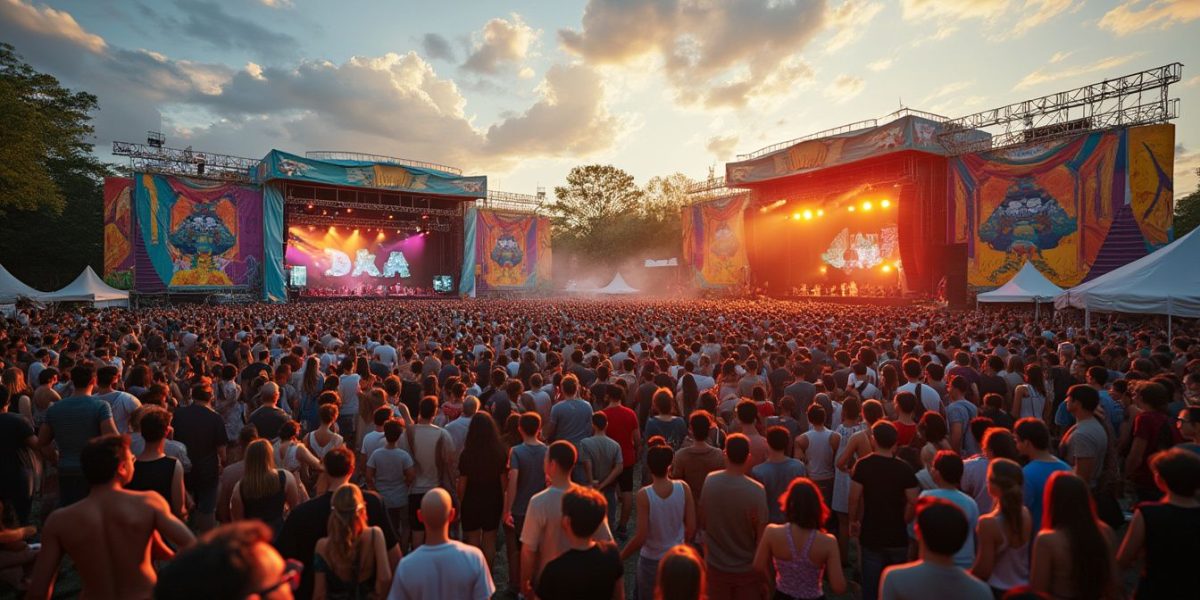
The music festivals play a crucial role in the dynamism of music scene, both locally and internationally. By attracting crowds of enthusiasts, they stimulate the local economy by tourism and Expenditure Associated. In addition, they offer an invaluable platform for emerging artists, favouringcultural exchange and artistic innovation. Through these events, local communities see a strengthening of their cultural identity and an improvement in their quality of life through investment in infrastructure. Let us explore together how these festivals shape the future of local and international music.
Contents
Economic impact
Music festivals are not just cultural events; They also play a crucial role in the local and international economy. They generate significant income and create employment opportunities, while promoting infrastructure development and tourism.
Tourism and expenditure

Festivals are tourist magnets. Every year, thousands of people travel to attend these events, injecting money into local economies. Visitors' expenses include accommodation, food, transportation and many other services. This directly benefits local businesses such as hotels, restaurants and retail.
For example, Coachella Valley Music and Arts Festival in California attracts millions of dollars in tourism spending each year. This influx of visitors stimulates the hotel and retail sectors, creating a lasting positive economic impact for the region.
Here are some typical tourist expenses at festivals:
- Accommodation: Hotels, Airbnb, campsites.
- Food and beverages: Restaurants, bars, food stalls.
- Transportation: Airfare, trains, taxis, car rental.
- Entertainment: Guided tours, souvenir shopping, local activities.
Job creation
Festivals create a multitude of temporary and permanent jobs. During the preparation and duration of the event, hundreds or even thousands of people are employed. This includes security, hospitality, ticket sales, food services and much more.
In addition, festivals offer opportunities to local vendors and artisans, thus strengthening the local economy. For example, Sziget Festival in Budapest contributes millions of euros to the local economy, supporting many jobs in the region.
The types of jobs created include:
- Security personnel
- Hospitality and ticketing employees
- Food and beverage sellers
- Local artisans and traders
- Sound and Light Technicians
These jobs, although temporary, can often lead to longer-term opportunities, thus contributing to the sustained economic development of the host regions.
Social and cultural impact
Music festivals are not just stimulating the local economy, they also play a crucial role in strengthening the social and cultural fabric of communities. They foster a dynamic of mutual sharing and enrichment between artists, audiences and diverse cultures.
Diversity in artist representation
One of the most remarkable aspects of music festivals is their ability to promote the artistic diversity. By offering a stage to talents from diverse backgrounds, these events allow emerging artists and lesser-known musical genres to make themselves known. This diversity is essential for a rich and dynamic music scene.
Festivals act as showcases for a variety of musical and cultural styles, creating opportunities for artists who might otherwise have difficulty reaching a wider audience. This openness also promotes better representation of minorities and independent artists, often underrepresented in traditional media.
- Promotion of emerging artists
- Visibility for diverse and less well known musical genres
- Representation of minorities and independent artists
Cultural exchange
Music festivals are crossroads of cultural exchanges. By attracting artists and spectators from all over the world, they create spaces where different cultures can meet and influence each other. This cultural mix enrich not only the participants but also the local artistic scene.
The cultural exchanges that occur at these events allow for a wider dissemination and understanding of artistic and musical traditions. Participants can discover new artistic perspectives and practices, which can inspire collaborations and innovations.
Support for local artists
Music festivals play a crucial role in supporting local artists. By offering them a platform to perform in front of a wide audience, these events contribute to their recognition and professional development. This support is essential for the vitality of the local artistic scene.
In addition, festivals often encourage collaborations between local and international artists, which can lead to innovative artistic projects and strengthen the professional network of local artists. The economic benefits of festivals also benefit local artists, increasing demand for their performances and offering them new income opportunities.
Long-term economic growth and development
Music festivals are not just cultural events; They are also powerful economic drivers that promote sustainable growth and development. By attracting visitors from around the world and stimulating local spending, these events create considerable economic opportunities for the host regions.
Increased tourism
Festivals attract a massive influx of visitors, which greatly stimulates the tourism sector. Festivalgoers spend money in various areas such as:
- Accommodation : Hotels, hostels, holiday rentals
- Restoration : Restaurants, cafes, bars
- Transport : Taxis, carpooling services, public transport
- Local trade : Shops, souvenir stands, markets
These expenditures generate significant revenues for local businesses, thereby strengthening the regional economy. In addition, a successful festival can turn a city or region into a popular tourist destination, attracting visitors throughout the year. For example, the Glastonbury festival in the UK attracts hundreds of thousands of visitors each year, generating substantial revenues for local businesses.
Business growth
Music festivals offer an ideal platform for stimulating business growth local. Traders, artisans and restaurateurs benefit directly from festival-goers' expenses. This results in increased sales and exposure.
Local businesses can experience significant long-term growth through:
Music events in France, in particular festivals to discover emerging musical talentsnot only reveal new artists, but also boost local economies through the influx of visitors.
- Increased investment : The profits generated allow companies to reinvest in their activities.
- Expansion : Prosperous companies can open new branches or expand their product/service lines.
- Job creation : The increased demand leads to the creation of new posts, both temporary and permanent.
One notable example is the Coachella Valley Music and Arts Festival in California, which generates millions of dollars in tourism spending each year. This financial manna benefits the local hotel and retail sectors, thus stimulating the regional economy in a sustainable way.
In conclusion, music festivals are much more than ephemeral cultural events. They play a crucial role in the long-term economic development of the host regions, boosting tourism and promoting the growth of local businesses.
Fostering creativity and unity
Festivals play a crucial role in promoting creativity and unity within artistic communities. They offer a platform not only for performance, but also for interaction and collaboration between artists from different backgrounds.
Exposure for emerging artists
Festivals are often a springboard for emerging artists. Participating in these events gives them valuable visibility that they might not have otherwise. Festivals attract broad and varied audiences, giving new talent the opportunity to be noticed by a wider audience.
Many festivals include competitions or scenes dedicated specifically to emerging artists, giving them a chance to perform alongside more established names. This can lead to record contracts, tours or other professional opportunities.
Creative collaboration
Festivals are also places for creative collaboration. When artists from different genres and disciplines meet, innovative projects can be created. These collaborations enrich not only the works produced but also the participants themselves, enabling them to acquire new skills and perspectives.
Here are some forms of collaboration that can be observed in festivals:
- Joint performances between musicians of different genres
- Creation of interactive artistic installations
- Workshops and masterclasses led by renowned artists
- Interdisciplinary projects combining music, visual arts and technology
Cultural exchange and community pride
Festivals are important vectors of cultural exchange. By attracting artists and audiences from around the world, they promote a better understanding and appreciation of different cultures. This exchange enriches the local artistic scene and offers residents the opportunity to discover new perspectives.
In addition, festivals reinforce pride and community identity by celebrating local traditions and culture. They bring people together around a common event, creating a sense of unity and solidarity. These events can also serve as a showcase to promote local culture internationally.
In conclusion, music and art festivals do not just offer entertainment. They are catalysts for economic growth, creative innovation and social cohesion. By supporting emerging artists, facilitating collaborations and encouraging cultural exchanges, they play an essential role in the development of local and international artistic communities.
Updated on 23 March 2026