
Published by: Guillaume Martin — Editor in Chief
Updated on 23 March 2026
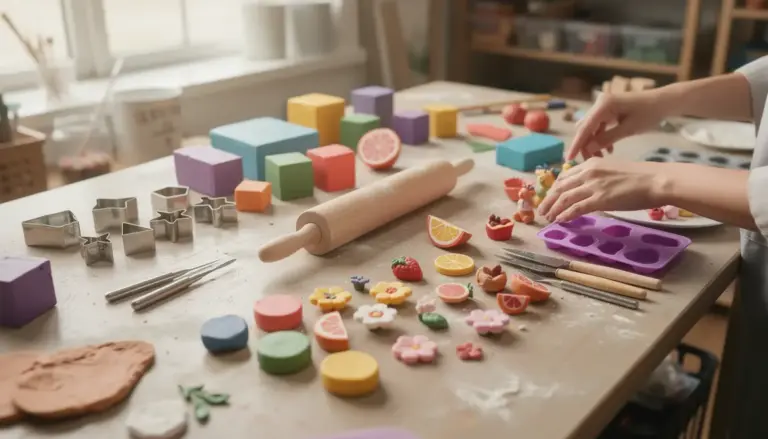
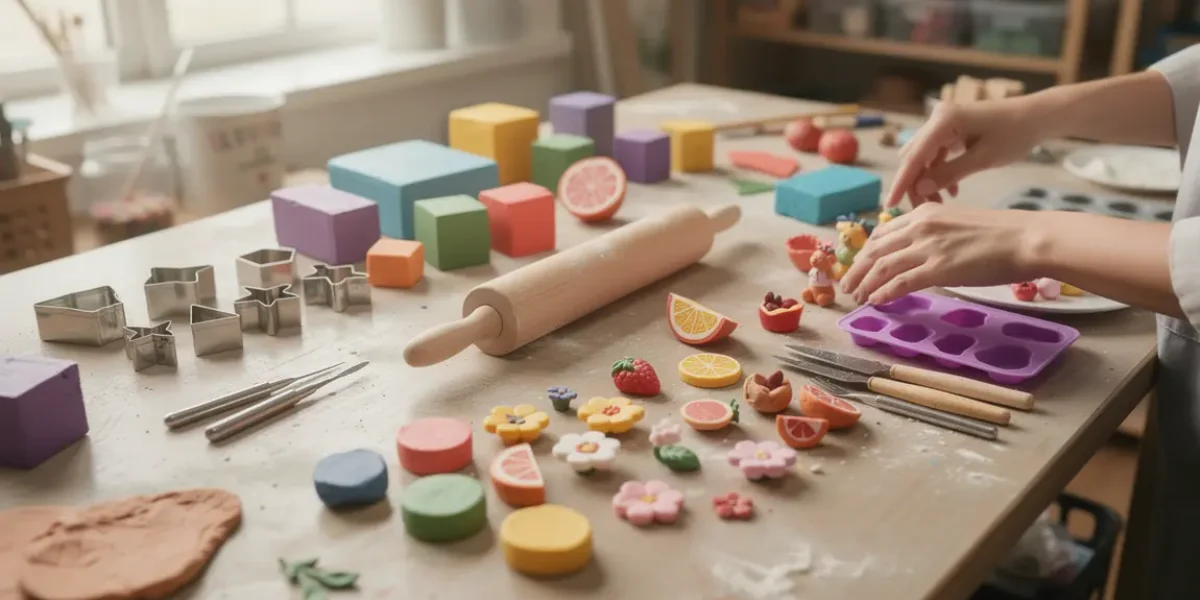
Working the Fimo Pastry attracts many creative people who want to gain mastery, realize durable objects or customize their manual projects. This guide takes up every step, from the choice of the range to the finishing of the creations, to structure your progress and lift the latest technical brakes. Here you will find concrete examples, field tips and user testimonials to guide each trial.
Contents
The different ranges of Fimo paste and their specificities
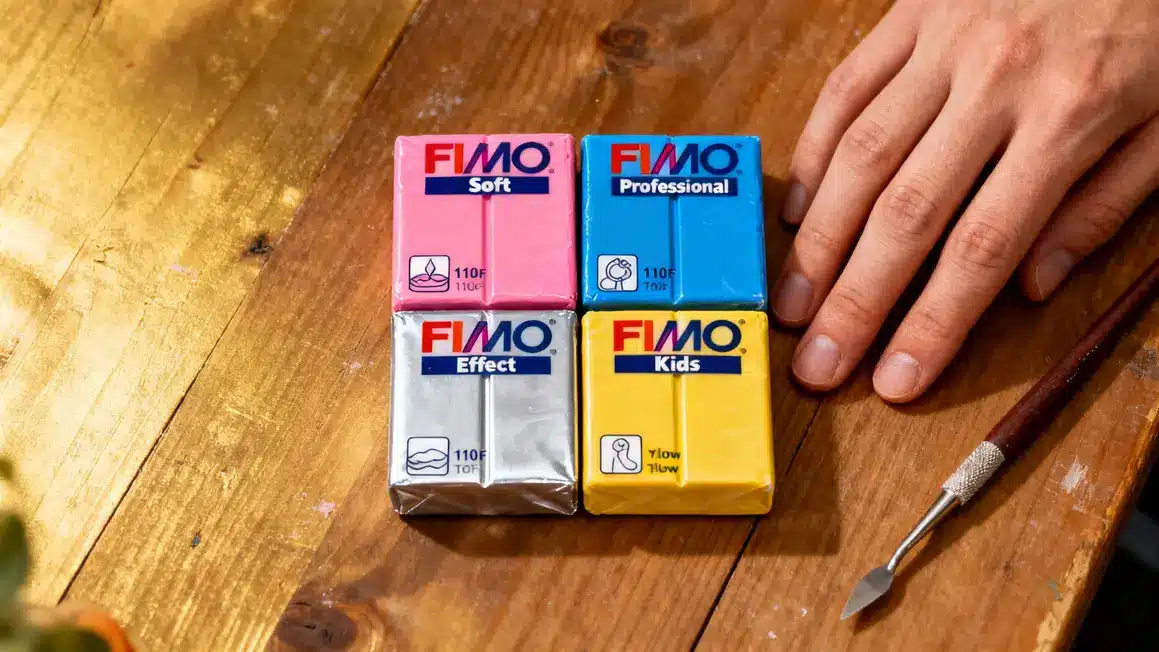
The Fimo paste is available in several versions, designed to fit all profiles and many creative uses:
Fimo Soft : supple, easy to handle, ideal for beginners wishing to create refined jewelry or colorful figurines. With a pleasant texture, it allows the youngest to initiate the creation without significant technical constraint (cooking 30 minutes to 110° C).
Fimo Professional : firmer, it perfectly captures fine details. It is suitable for enthusiasts or those who want to attack real miniatures. Allow more mixing time to avoid breakage.
Fimo Effect : perfect to bring an original touch. Metallic, pearly, glittery or phosphorescent effects create unique pieces. Pay attention to cooking to keep visual effects.
Fimo Kids : extra-malleable, it is intended for children (from 6 years old) to explore the activity without unnecessary effort. Mini-bread size 42g, same cooking instructions.
| Range | Texture | Uses | Standard weight | Cooking temperature |
|---|---|---|---|---|
| Fimo Soft | Flexible | Simple jewelry, figurines | 57 g | 110°C, 30 min |
| Fimo Professional | Farm | Miniatures, detailed sculptures | 85 g | 110°C, 30 min |
| Fimo Effect | Semi-fold | Original jewelry, special effects | 57 g | 110°C, 30 min (attention to variations) |
| Fimo Kids | Ultra-flexible | Children's projects, creative workshops | 42 g | 110°C, 30 min |
The steps to start well with the Fimo paste
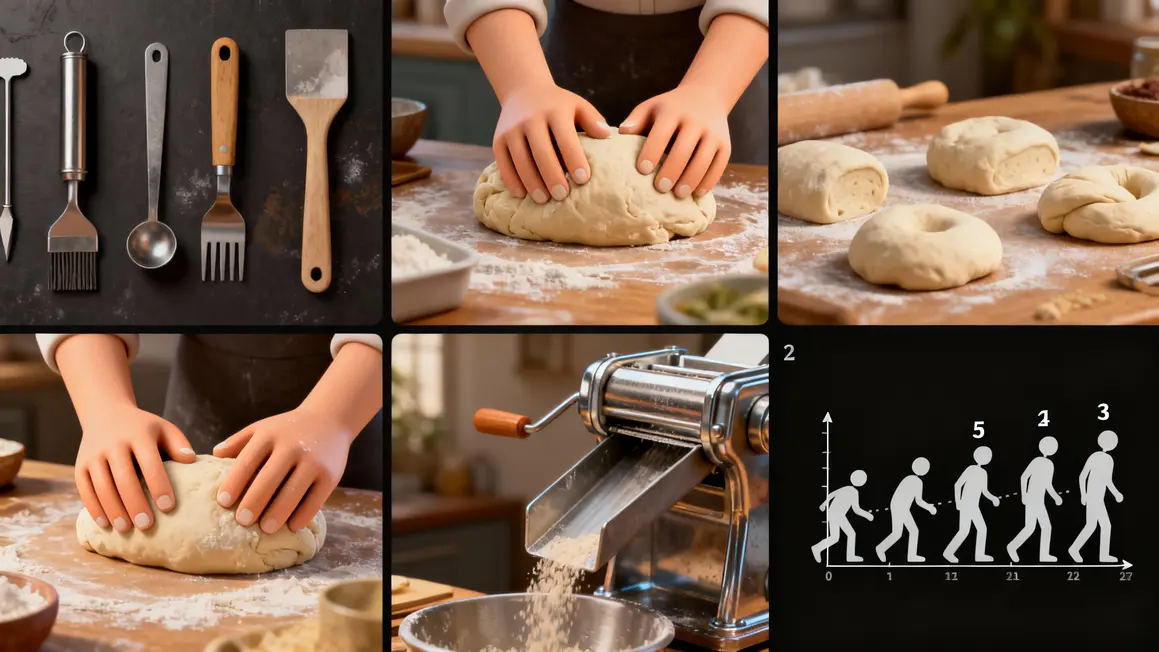
- Equipment : roll, cutters, toothpicks, cups, silicone moulds (optional).
- Prepare the dough : mix between 5 and 10 minutes to obtain a smooth texture without air bubbles.
- Create Forms : from simple volumes then evolve to elaborate techniques such as millefiori or gradients.
- Test Tools : always test the accessories (grave, shape, texture) on a fall before the final project.
- Think about the little details : strengthen the fragile parts, clean the paste from dust or traces.
Mastering cooking to succeed in his creations
- Preheat the precise oven to 110° C (indispensable control of the kitchen thermometer).
- Adapt the cooking time to the thickness of the pieces: 20 min for less than 2 cm, beyond, gradually increase.
- Place on sulfurized paper, shelter from air currents and aerate during cooking.
- Cool before handling to avoid marks and breakages.
Important Council: A dedicated or well-cleaned oven reduces the risk of persistent odour on your dishes. Never cook Fimo dough in the microwave.
Maintain, preserve and replenish your Fimo dough
- Store each bread in plastic film sheltered from heat and light.
- For hardened dough, use Fimo Liquid, Quick Mix or mix with a fresher dough. Bannier hot water and microwave.
- A roll or dough machine facilitates mixing and ensures a homogeneous texture.
Advanced techniques to bring your ideas to life
Start the technique millefiori (refined grounds obtained by superpositions) or exercising to the gradients judiciously dosed develops a true creative signature. A few simple tools – roller, dough machine, everyday objects to texture – are enough to enrich your achievements without expensive material. Dose colors to keep contrast and vary supports: pendants, landscape sculptures, decorations on objects.
- Try several finishes (polished, varnish, patina) to test the impact on the rendering.
- Start small, adjust technique and style before attacking more ambitious works.
FAQ: Frequently Asked Questions about Fimo Pastry
- What difference between Fimo and alternative pasta? Fimo (polymer) is solid and washable after cooking, unlike alternatives that are poorly resistant to moisture.
- How to avoid air bubbles? Long mixing, regular crushing with a roller or dough machine reduces the risk of imperfections.
- Can we integrate beads or elements? Yes if the material is 110°C resistant: prefer stainless steel or glass, avoid raw wood.
- Combine different Fimo? Yes, Fimo Soft, Professional and Effect look great, just adjust the texture distribution.
- What to do with a dough that has become hard? Relax with Fimo Liquid, Mix Quick or by heating it moderately by hand.
User reviews
- Alice (simple jewellery, Fimo Soft): fluid handling, easy to assemble colors.
- Lucas (miniatures, Fimo Professional): focuses on detail, recommends to monitor the cooking for fine parts.
- Claire (Fimo Effect): Appreciates the special effects but warns about the possible variation of colors when cooking.
- Thierry (children's workshops, Fimo Kids): perfect flexibility, but caution on the robustness of creations after cooking.
This collective feedback highlights the importance of testing each model, choosing the range according to your goal, and taking specific actions at each stage. The opinions of both professional and amateur creators are relayed on many reference sites in creative leisure.
To perfect your creations in Fimo paste, master the basics of drawing: techniques and tools for beginners can greatly enrich your artistic skills.
For Fimo paste creations with impeccable finishes, take inspiration from the tips used for Piqué chrome: restore shine with reliable and accessible methods.
For perfect finishes on your Fimo paste creations, discover how to remove grey green easily on your metal objects to preserve their brightness and durability.
The key points to remember: each step, from mixing to cooking to the organization of creation, influences the quality of the final result. Don't hesitate to experiment with different techniques and rely on proven advice, to make your creations evolve with confidence.
And you, what technique or project are you trying with the Fimo dough? Share your own tips or feedback to enrich the GuyomCorp community! You can also send your achievements or ask questions to feed future practical content.
Want to go further? Take a look at specialized creative recreation sites or consult the manufacturer's technical documentation to better control each type of dough. If this article has been helpful, think about sharing it, it can launch other novice creators on the right path. Among your next desires: what other materials or techniques do you want to see detailed here?
Written by Guillaume Martin, author, practitioner and accompanist in multidisciplinary artistic creation.
Date: 2024-06
Updated on 23 March 2026