
Published by: Guillaume Martin — Editor in Chief
Updated on 23 March 2026
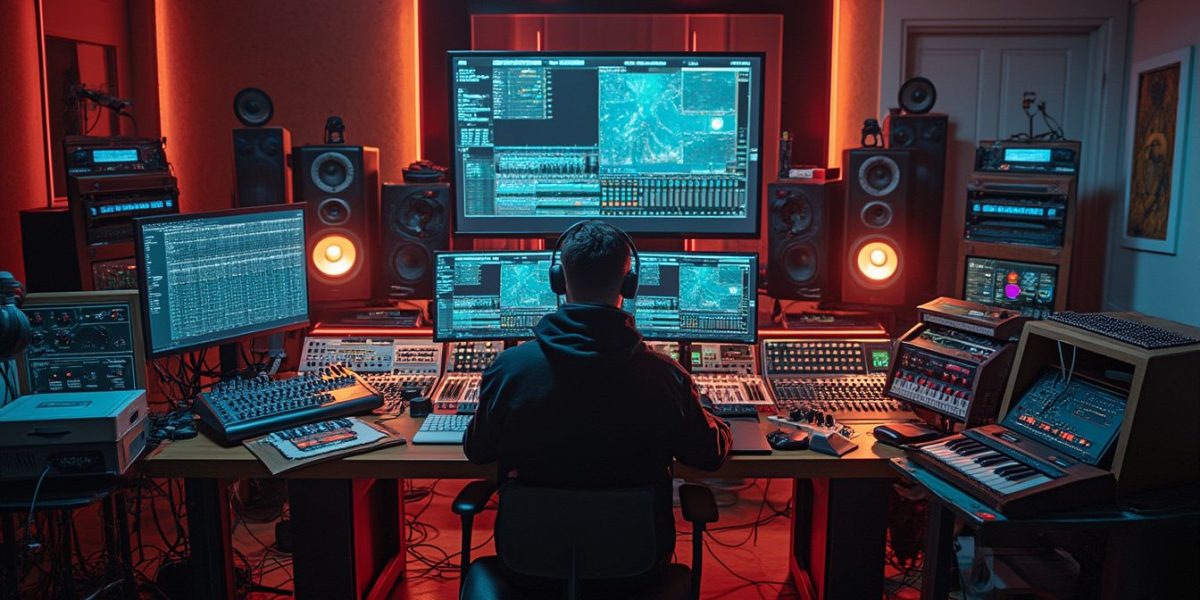
I am fascinated by the way in which Technological innovations redefining the musical creation. The use ofartificial intelligence (AI) to generate new melodies to optimize sound quality, advances in the field open unlimited perspectives for artists. Tools such as Boomy and SongStarter from BandLab allow you to create compositions in seconds, making music more accessible than ever. Technology machine learning improve not only production but also the depth and clarity of mixing. In parallel, traditional instruments are transformed and expanded through technology, offering new creative opportunities. This democratization of musical creation allows artists to easily share their works, fostering an explosion of creativity. Let us explore together how these innovations radically transform the musical landscape.
Contents
The Impact of Artificial Intelligence (AI) on Music
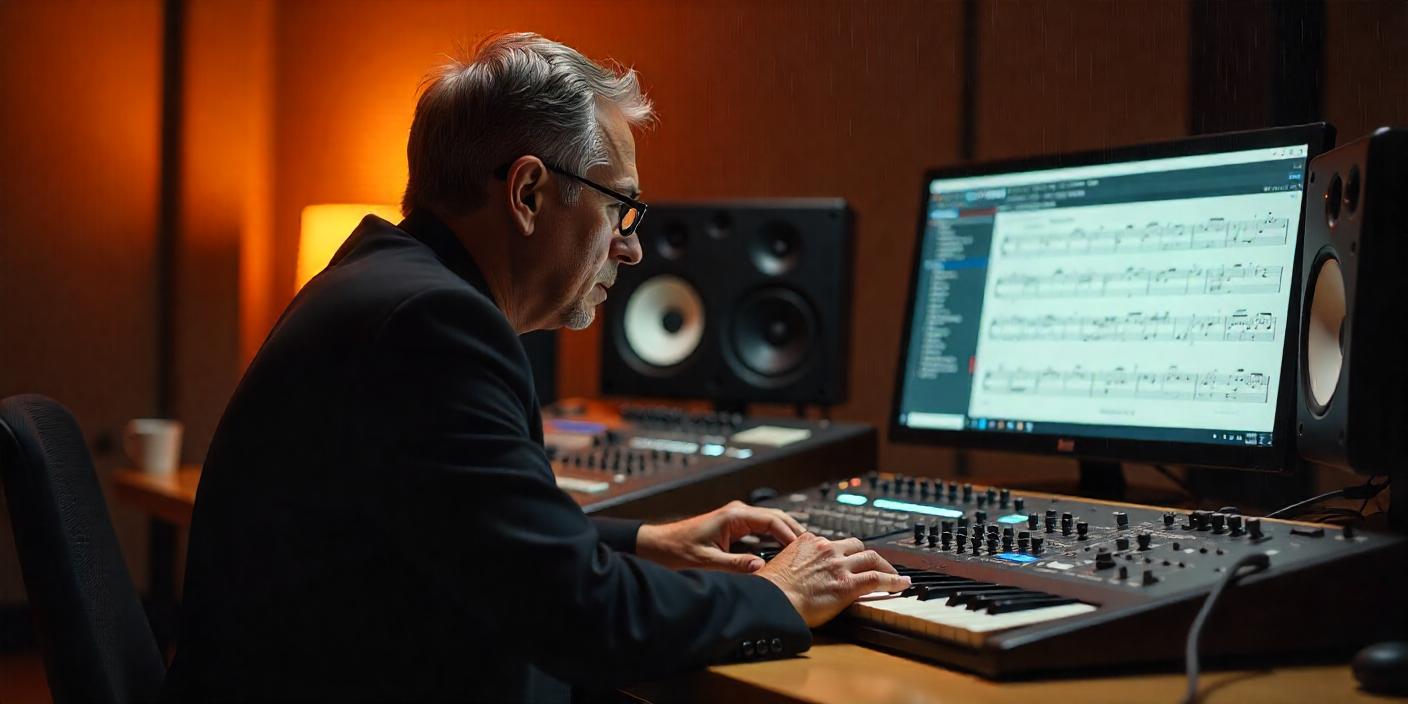
Artificial intelligence (AI) deeply transforms musicfrom composition to production. Independent musicians and creators find in her a powerful ally, opening unexpected horizons.
Generation of melodies and harmonies
The generation of melodies and harmonies by the AI has become a fascinating reality. Modern tools such as Boomy and SongStarter from BandLab allow users to create instrumentals in seconds. These applications analyze thousands of tracks to identify complex melodic and harmonic structures and then generate new musical ideas. This is how it works:
- Analysis : IA is studying an extensive musical database to understand patterns and styles.
- Generation : Using the information collected, she creates unique melodies and harmonies.
- Customization : Users can adjust the results to match their artistic vision.
This ability to quickly produce musical ideas allows musicians to focus more on the creative aspect of their work, without being constrained by the technical aspects of composition.
Increased creativity
Beyond the simple generation of music, the AI plays a crucial role in increasing creativity. It offers artists a range of tools to explore new ways and push the limits of their art. Thanks to the AI, musicians can experiment with sounds and styles they might never have considered.
In addition, the technologies of the AIA enable the transformation and expansion of traditional instruments. For example:
- Virtual instruments Creation of new sounds by combining traditional and digital elements.
- Sound handling : Using the AI to modify sounds in real time, creating innovative effects.
- Experimentation : Incorporation of new musical elements, pushing the boundaries of traditional composition.
By integrating these tools, creators can bring to life truly unique and innovative compositions. It does not replace human creativity, but enriches, offering endless possibilities for those who dare to explore.
New modern musical technologies
Technological advances have radically transformed the way we create, produce and experiment with music. From the integration of artificial intelligence (AI) to the improvement of traditional instruments, innovations offer endless possibilities for artists and music enthusiasts. Let us dive into these fascinating developments that shape the contemporary musical landscape.
Extended and enhanced traditional instruments
Technology has given new life to traditional instruments. Guitars, pianos and other classical instruments can now be expanded with sensors, digital interfaces and smart software. For example, guitars equipped with sensors can modulate sound in real time, allowing more dynamic and interactive performance.
This technological extension of traditional instruments opens new perspectives for musicians. They can explore new sound textures and integrate digital effects directly into their game. This is not limited to string or wind instruments, but also extends to percussion and keyboard instruments. Creation possibilities become almost unlimited.
Experimental and innovative musical creation
New technologies provide fertile ground formusical experimentation. Composers can now push the limits of creation by using IA-assisted composition software, advanced sound editors and virtual instruments. These tools make it possible to manipulate sounds in an unprecedented way, paving the way for truly innovative compositions.
Artists can create complex soundscapes by combining acoustic and electronic elements. Using software such as Max/MSP or Ableton Live can generate unique sounds and structure songs in a non-linear way. New musical genres are emerging that use these technologies to offer immersive and innovative hearing experiences.
Democratisation of music creation
With easy access to high-quality musical production tools, musical creation has never been more accessible. Software such as GarageBand or FL Studio offers user-friendly interfaces allowing anyone to create music, even without formal music training. This democratization musical creation allows a new generation of artists to express and share their art.
- Access to affordable music production software
- Availability of online tutorials and educational resources
- Easy sharing of creations via streaming platforms
- Online Communities of Support and Collaboration
Artists can now compose, record and distribute their works from home, without the need for expensive studios or recording contracts. This accessibility has also led to the emergence of new talents and the diversification of musical styles. Technology has truly levelled the playing field, allowing everyone to find their voice and contribute to the evolution of the music scene.
The evolution of music and musicology
The evolution of music and musicology is a fascinating field that demonstrates how music, as art, has been able to adapt and transform over the centuries. Thanks to technological advances, today we are witnessing a real musical revolution, both in creation and in the study of music.
New musical instruments and forms
The new instruments and new forms of music are at the heart of this transformation. With the emergence of digital technologies, traditional instruments have been extended and reinvented. For example, electric guitars and synthesizers have opened up new creative perspectives for musicians, creating new sounds and pushing the limits of musical composition.
Music production software, such as Ableton Live or Logic Pro, also played a crucial role. They offer a multitude of tools to manipulate sound, experiment with complex musical structures and create innovative compositions.
- Virtual instruments : Software such as Kontakt or Omnisphere can virtually recreate acoustic instruments with impressive realism.
- Synthesis modules : Tools like Serum or Massive offer an almost infinite sound palette for electronic music creators.
- Digital effects : The effects plugins allow to transform and enrich the sound in an unprecedented way, from reverberations to distortions to delays.
Exploration of new musical territories
Exploration new musical territories is another aspect of this evolution. Contemporary composers use technology to explore genres and musical styles that were not possible before. Artificial intelligence (AI) plays a key role in this regard.
Apps like BandLab's Boomy and SongStarter show how IA can generate musical ideas in seconds, paving the way for increased creativity. IA analyzes thousands of songs to learn complex melodic and harmonic structures, thus providing composers with tools to innovate and experiment.
In addition, the digital music has allowed the birth of new musical genres, such as electronic music, ambient music and glitch. These genres push the boundaries of traditional music and offer unique hearing experiences.
Finally, AI-assisted mixing and mastering technologies optimize the sound quality of musical productions. They reduce sound artefacts and improve the clarity and depth of the mix, making musical works more immersive and captivating.
Artists explore new creative dimensions through digital innovations, as perfectly illustrated how technology revolutionizes contemporary artistic performance.
Perspectives and future of musical technologies
Technology continues to redefine the musical landscape, opening up new perspectives for creators and professionals. The latter section explores future developments, the impact on industry and the role of artists in this transformation.
Expected developments in musical creation
Music creation evolves at a fast pace thanks to technological advances. Artificial Intelligence (AI) plays a crucial role in this dynamic. It allows artists to push the boundaries of traditional composition by integrating innovative elements and manipulating sound in an unprecedented way.
Some of the expected developments include:
- Creation tools assisted by AI : Applications such as Boomy and SongStarter can generate instrumentals in seconds, making the creative process easier.
- Virtual instruments : These tools allow us to explore new sounds and extend the capabilities of traditional instruments through advanced technologies.
- Sound analysis and optimization : L
Impact of technology on the music industry
Technologies change not only the way music is created, but also the music industry itself. They influence the distribution, promotion and monetization of musical works.
Streaming platforms, for example, have revolutionized how we consume music, making millions of tracks instantly accessible. In addition, recommendation algorithms help discover new artists and genres, increasing the visibility of independent musicians.
The impact is also felt in musical production. The sophisticated audio editing software enables sound producers and engineers to work with unprecedented precision, reducing production costs and delays. Sound quality is optimized thanks to the AI, which can analyze and correct the imperfections of recordings.
Role of artists in technological change
Artists play a central role in the adoption and evolution of musical technologies. Their creativity and willingness to explore new avenues are essential to take advantage of technological tools.
Today's musicians must not only master their art, but also be comfortable with new technologies. This includes the use of compositional software, virtual instruments, and AI applications to push the limits of musical creation.
In addition, artists have the opportunity to share their music more easily and widely through the Internet and social networks. They can create and publish works for a global audience, without the constraints of traditional labels. This democratisation of music enables more talent to become known and flourish in the music industry.
In conclusion, musical technologies open up fascinating perspectives for the future of music. They offer artists powerful tools to express their creativity and reach wider audiences. Whether through AI, streaming platforms or audio editing software, innovation continues to redefine what it means to create and enjoy music in the digital age.
Updated on 23 March 2026