Published by: Guillaume Martin — Editor in Chief
Updated on 23 March 2026
Why is cultural life in retreat when it was central a few years earlier? With the « cultural life » In tension, many creators must rethink their strategies if they want to continue to reach an audience, or even simply exist on the artistic scene. This file provides an update on what is upsetting the sector, what those who resist are doing, and how to apply concrete methods so as not to be allowed to distance themselves.
Contents
Why cultural life is in crisis
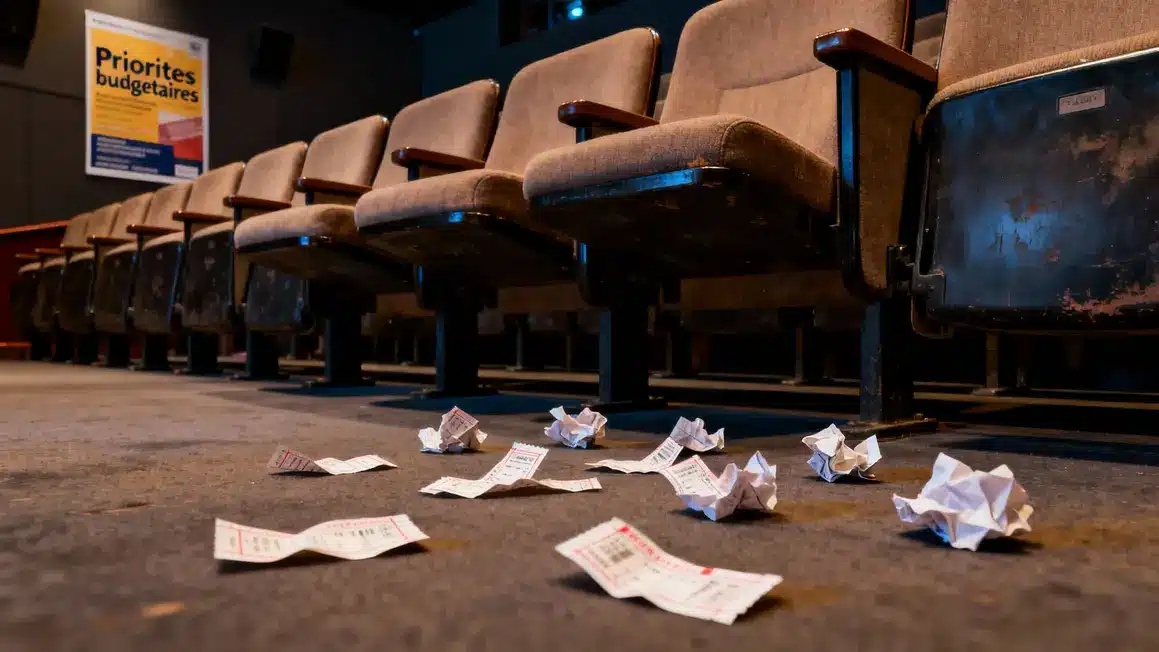
The drop in attendance affects all cultural actors. The causes are multiple: the persistent effects of post-Covid, the rise of digital leisure, and inflation that undermines public budgetary priorities. Many amateur or independent creators bear witness to this: taking over the fold of cultural releases is slower than expected. Today, between a concert « to live » On-site and a stream available at home, choice is often oriented towards ease and cost.
Inflation acts directly on expenditure arbitrage; the crop passes after essential (housing, transport, food). Artists find themselves having to justify the value of their work while proving their ability to attract and retain – a double effort often underestimated.
For many, visibility decreases but the loads remain the same. This affects the ability to invest in promotion or even ensure the minimum logistics of an event. This context forces us to think differently about the diffusion of creation and the construction of a public. Adopting a hybrid strategy – combining physical and digital presence – becomes no longer an option, but a necessity.
| Factors | Impact |
|---|---|
| Post-Covid | Change of habits, decrease of exits |
| Inflation | Priority of essential expenditure at the expense of culture |
| Digital recreation | Increased competition for audience attention |
| Lower attendance | Loss of income and difficulty organizing events |
New formats adopted by artists to remain visible
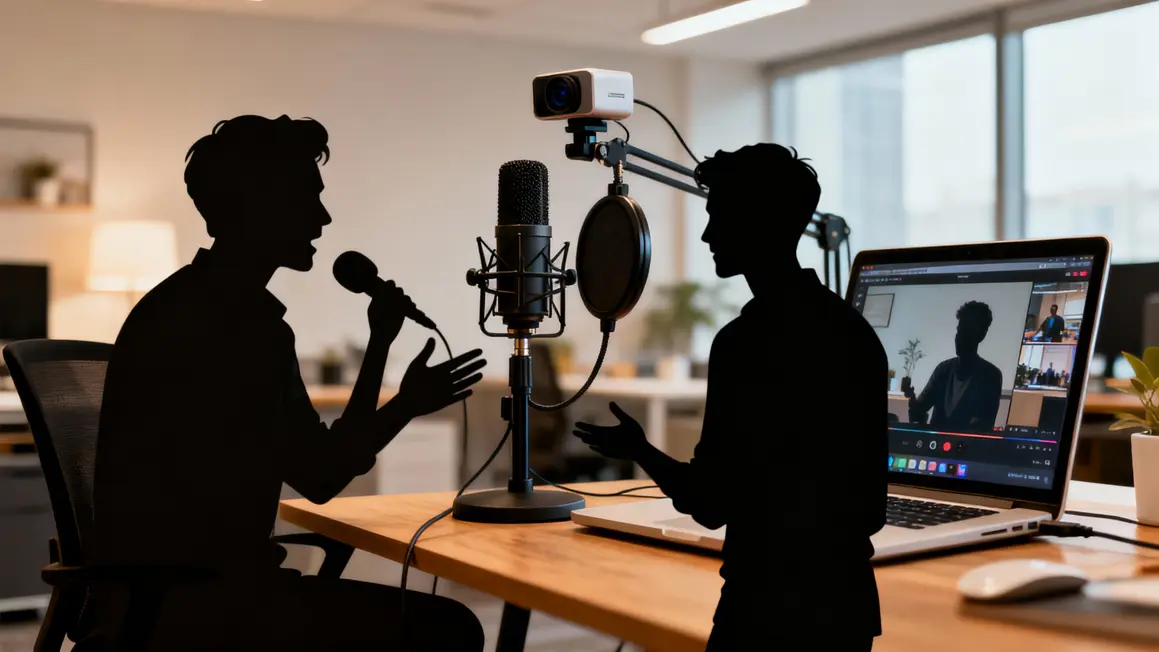
In the face of increasing competition in the digital field, many artists tell of their adaptation: launch a podcast to share their approach, test live streaming to recreate the link beyond the classical walls, or organize online workshops that make simple curious participants. Back home? Those who structure their approach and maintain regularity derive more benefits than those who post randomly.
The podcast allows for example to explain the path of a project or to propose an immersion in the daily life of a creator. An independent comic book author met in Lyon admits that « each episode attracts subscribers who end up buying limited prints discovered online ». The same applies to group workshops, which bring participants closer together, promote on-line issues and sometimes create impromptu collaborations.
Live streaming for direct interaction
Diffusing your work in real time via YouTube or Twitch seduces because we dialogue without a filter. For a beginner electro musician, the experience was translated into adjustments: « I first targeted the technical performance, but it was the interactive sessions where I answered the questions that really kept up. » This format also works to show up the background (live painting, collaborative writing, etc.).
Online workshops to recreate an active link
A well animated workshop allows you to move from passively consumed content to concrete action. The essential is the clarity of the process (discovery, creation, finishes, exchanges) and a post-session follow-up: additional resources, link for questions, invitation to a future event. This logic increases the real commitment and values each participant, even beginner.
Challenges on networks
Give its audience a space to test, dare, participate, is strategic. Proposing a micro-challenge (e.g. writing a text in 10 minutes, diverting an object, creating a mini-melodies from daily sounds) encourages action and sharing. Returns are immediate, and the artist builds a climate of trust around collective progress.
| Format | Objective | Target audience | Equipment requirements |
|---|---|---|---|
| Podcasts | Sharing ideas and behind the scenes | Interesting active audience | Microphone, audio editing software |
| Streaming live | Create direct interaction | Engaged public | Webcam, basic lighting |
| Online workshops | Transforming the audience into an actor | Creative learning | Visio platform, teaching resources |
| Social media challenges | Encourage experimentation | Participatory audience | Smartphone, good visuals |
The importance of collective and collaborative initiatives
One of the strongest responses to the crisis is the pooling of resources. The examples are numerous: collectives sharing spaces and skills, festivals mounted at several, sharing communication efforts. Thanks to these synergies, many artists have access to audiences they would never have been able to reach alone. The most common feedback experience? Regrouping demands to learn how to manage temperaments but the reward largely compensates for the logistical or human efforts involved.
| Benefits of collective initiatives | Challenges of collective initiatives |
|---|---|
| Sharing resources and costs: less financial stress. | Complex coordination, especially if the tasks are unclear. |
| Visibility multiplied by cross-sectional audiences. | Potential conflicts over artistic or organizational choices. |
| Strength and increased credibility with institutions. | Risk of individual deletion in the collective. |
| Access to places or events often inaccessible solo. | Need to reconcile different universes and personalities. |
Be represented by art galleries: physical or online
To disseminate its work, getting the support of a gallery remains relevant. Many artists testify to the return on investment: rigorous selection, quality visibility, easy access to certain collectors and curious. But we need to look after his case, adapt his speech, target structures consistent with his style. The digital offer (online galleries) expands the spectrum, but competition and commissions demand to optimize its portfolio and presentation.
| Criteria | Physical galleries | Online Galleries |
|---|---|---|
| Accessibility | Selective, requires meetings or recommendations | Quick registration, with sharp work on the portfolio |
| Potential audience | Local to regional, specialized visitors | Global, diverse audience |
| Visibility of works | Physical exhibition with dedicated space | Available 24/7 but drowned in a dense offer |
| Commission on sales | High, can rise up to 50% | Variable depending on the platform, often less expensive |
| Customer interaction | Direct during varnishing and exhibitions | Mediated by e-commerce digital tools |
Participate in competitions and artistic residences to revive his career
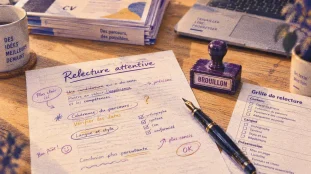
Competitions and residences are recognized levers: access to coaching, increased visibility, positive confrontation with other practices. The key? Personalize your candidacy, value the strengths of your career and aim for formats adapted to your discipline. Taking the time to reread your folder and adjust it for each opportunity often makes the difference, much more than multiplying the shipments « Generics ».
Maximising the impact of a residence
A participant in a contemporary photography residency (Paris) details: « It was not the project itself that opened doors, but the quality of the exchanges during the stay. Careful documentation, participation in the group, feedback on portfolio have enabled us to be identified well beyond the official period. »
Create an online showcase to promote her works
Having his web page is not a gadget. For the majority of the public, if your work doesn't go back to search engines, it's like you don't exist. A legible, organized, responsive portfolio, with a clear presentation, reassures professionals like neophytes. The stake: offer a fluid experience (galerie, menu, simple contact). One page « about » concise and human gives relief to the process. Finally, adding concrete testimonies or examples allows the visitor to project into the world of the creator.
Optimize natural SEO to increase visibility
Natural SEO (SEO) remains the basic tool to emerge online. Structure your gallery, connect your pages, precisely name each image, and think about inserting your relevant keywords into the titles and introductions. A page dedicated to each project, with links to other productions, encourages the public to explore your site and stay longer on your content. For those who want to go further on the SEO, there are many accessible guides, especially on the official websites of Google or the Ministry of Culture.
Using social media to expand its artistic audience
In the case of up-and-coming creators, the choice of network is made in relation to the type of project and not by mode effect. Focus on one or two channels, bring regularity, interact, and take the time to build a committed community. On Instagram, vary visuals and stories; on TikTok, test short formats that show the scenes; on Pinterest, organize your works in a thematic way, and on Twitter, share a process or bounce the discussion to your articles. The idea: to focus on real exchange rather than hunting views.
In the face of a changing cultural life, artists explore alternatives such as museums and virtual exhibitions: innovations and methods to create the cultural future to maintain a link with their audience.
Facing an upset artistic scene, the book Cancelled: visual memory of a paused musical scene captures the essence of musical events interrupted in 2020.
In the face of dark visibility, initiatives such as the Challenge #TussenKunstEnQuarantine: how to reinterpret famous art works with creativity allow artists and amateurs to reconnect with the public via social networks.
Collaborate with press and influencers for better visibility
The cultural press is looking for substance, the influencers want authenticity. Prepare a precise media kit, with quality visual elements, a short text on your journey and the meaning of the project, then target each contact according to its editorial line. Frequent error remains to multiply shipments « all-pass » They don't bring anything. Rather, it values collaborations over time: cross-interviews, invitations to workshops or exclusive access to creative phases.
Connecting with your audience through events and workshops
The most direct approach retains its value: workshops, meetings, small committee sharing. Open its doors during private exhibitions, conduct an interactive workshop, or test a hybrid format (face-to-face + live) puts the human relationship at the centre. On the ground, many artists note that the transformation of the passive audience into a co-creator or supporter is much more sustainable through this type of initiative than through one-shot capture on the Internet.
FAQ on marketing strategies for artists
What tool to start online? A simple site or portfolio, on Wix, Squarespace or WordPress, remains the basis. A maximum of one or two social networks avoid the dispersion of effort. Should we bet everything on social media? No, the main thing is consistency and quality. What if my site doesn't attract anyone? Optimize the SEO (titles, keywords, internal links) and make it known via its existing circle (newsletter, partners, workshops). Can we take off without a network? Starting with collectives and calls for projects, useful contacts are gradually being expanded, even when you start without an address book.
Synthesis: the exit from crisis for cultural life is written primarily through active approaches, continuous adaptation and the sharing of skills among creators. To inspire others' experiences, to test formats in line with its level, and then to consolidate its practices by keeping the link with the public: this is the most realistic path to cross the course, structure its progress and no longer navigate on sight. What methods have you already experienced? Do you see any other brakes or opportunities? Share your feedback in comment to open the discussion!
If these tips accompany you in your journey, do not hesitate to transmit the article on your networks or to talk about it in your circle of artists.
Want to explore other topics about cultural vitality and creative visibility? Say it in comment or contact GuyomCorp for additional leads and resources. Advanced resources: Ministry of Culture, Report 2024; INSEE Professional Syntheses Culture and Communication.
By Guillaume Martin, trainer and creator, founder of GuyomCorp.com (actor since 2007 on structuring creative practices, accompaniment of collectives and project promoters in visual arts and music).
Updated on 23 March 2026